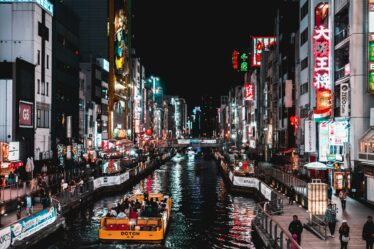
PART 2 – KYOTO
DAY 1
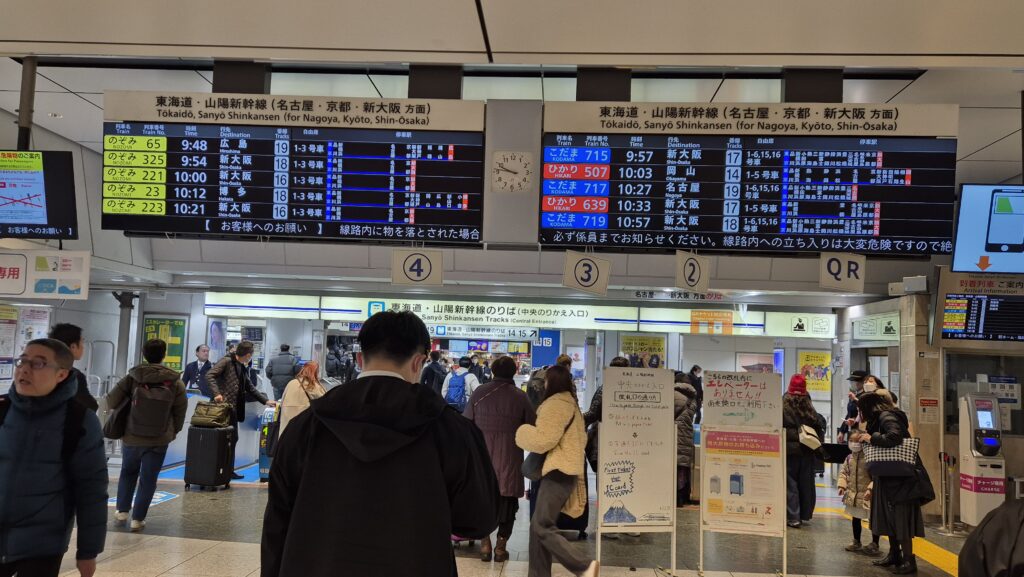
This morning, we took the 11 am Shinkansen from Tokyo Station to Kyoto Station.
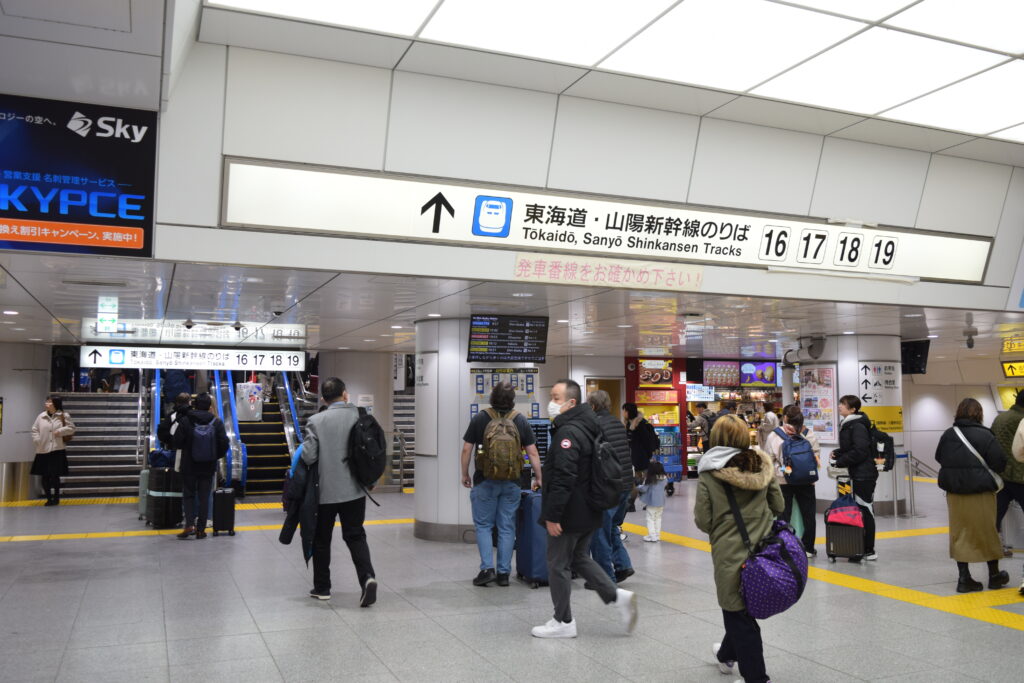
The Shinkansen line connecting Tokyo to Osaka is the Tokaido Shinkansen, Japan’s busiest bullet train route. The fastest trains, called Nozomi, take about 2 hours and 30 minutes, but are not covered by the Japan Rail Pass. For Japan Rail Pass holders, the Hikari is the fastest available option, taking roughly 2 hours and 53 minutes.
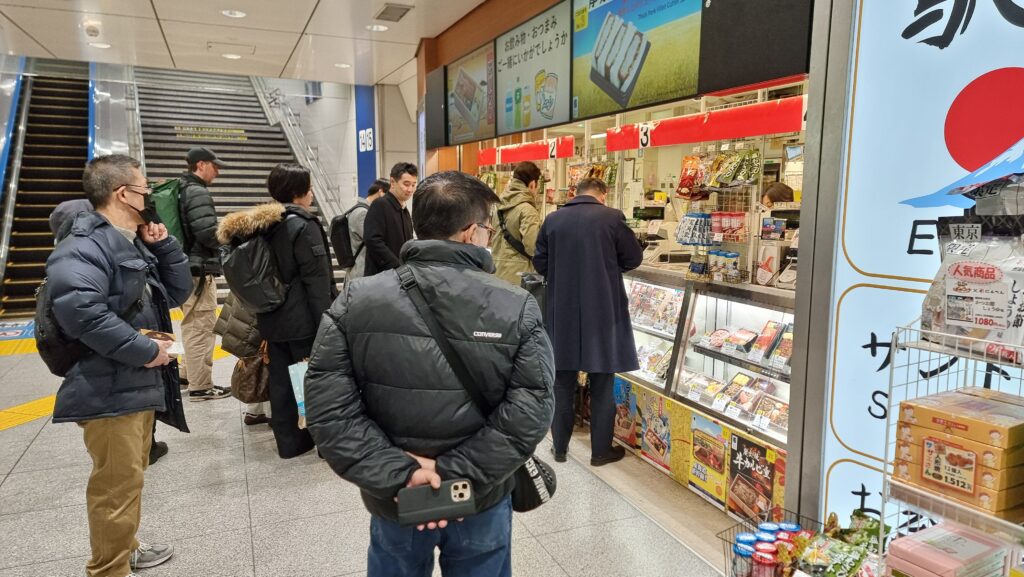
There are a few shops inside the station selling food.
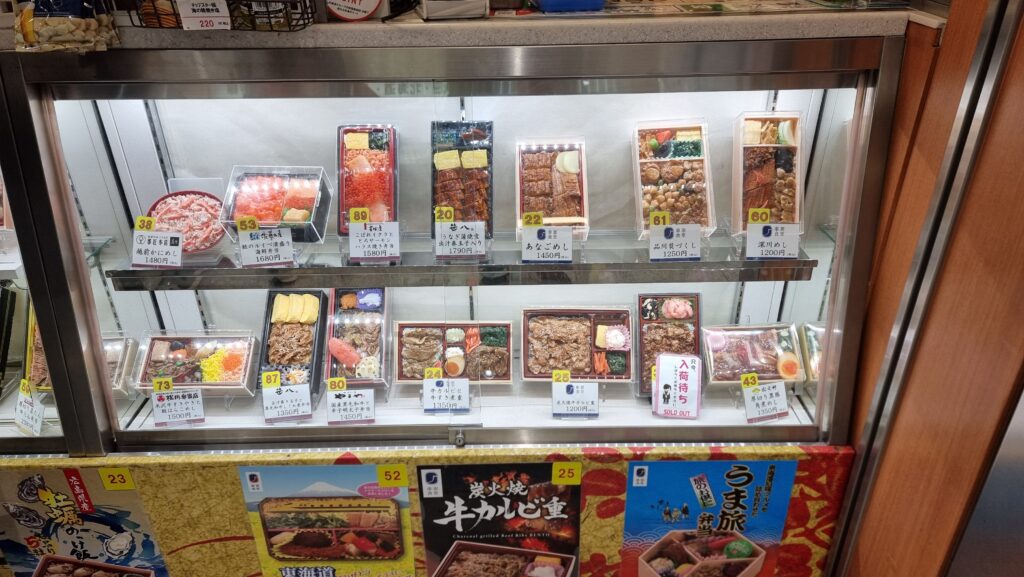
As the journey can be quite long, we decided to buy something to eat along the way. In Japan, you are not allowed to eat or drink on the Metro, but you can do so on the Shinkansen.
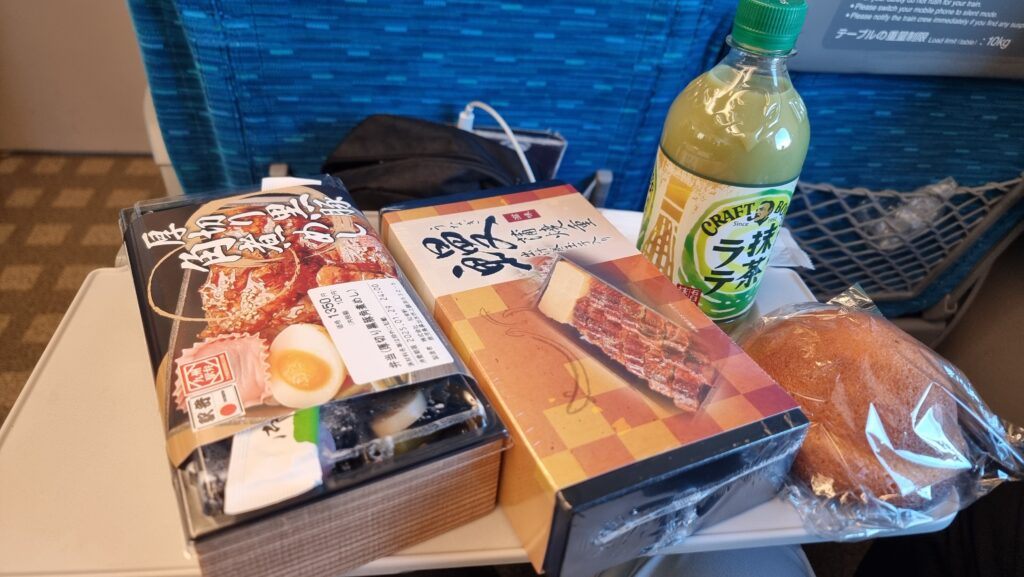
We bought two bentos, one with black pork and one with unagi. We also bought an additional drink and a bun.

Be sure to be early and go to the correct platform. The Shinkansen in Japan is punctual to the second and will not wait for you if you are late.

Our train arrived on time. It would only stop for a minute or two to allow people to alight and board.
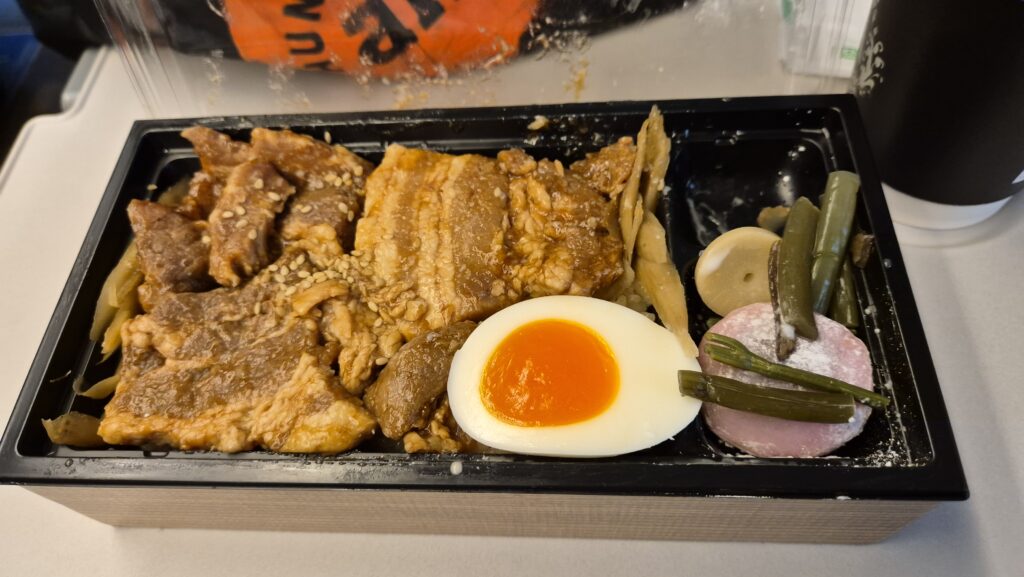
Our black pork bento.

The Unagi bento.

From Tokyo to Kyoto, if you want to see Mount Fuji, be sure to book the seats on the right side of the shinkansen.
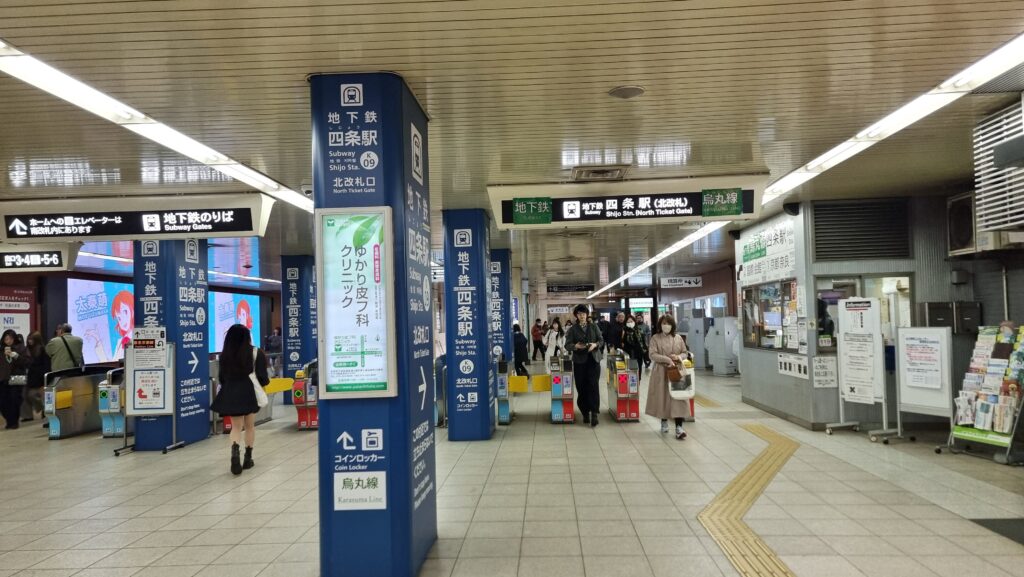
We switched over to the Metro from Kyoto Station and arrived at Shijo Station.
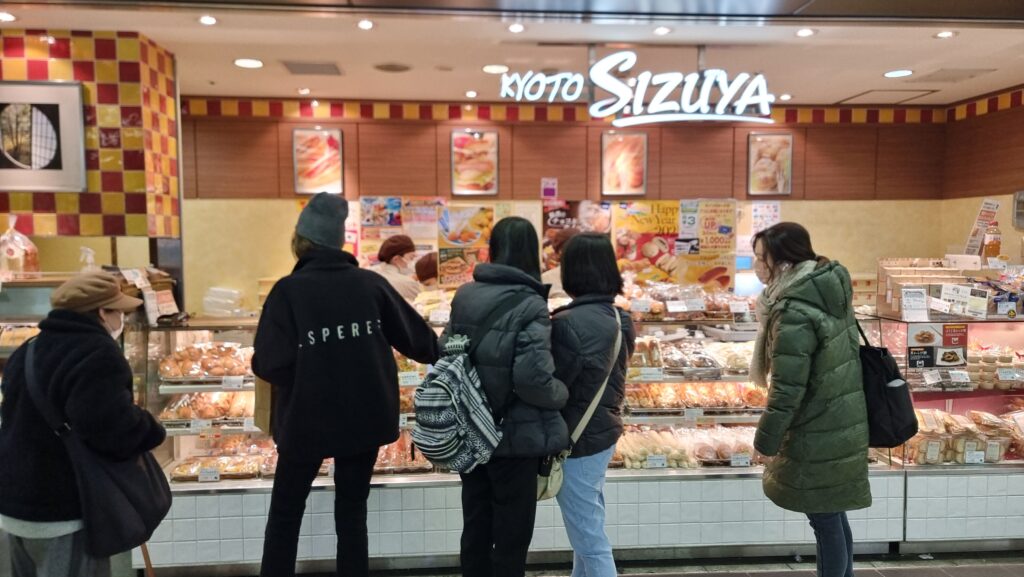
There is always a lot of stuff you can buy from the Japanese Metro stations.

Comfort Inn, our hotel, was only a short walk from the station.
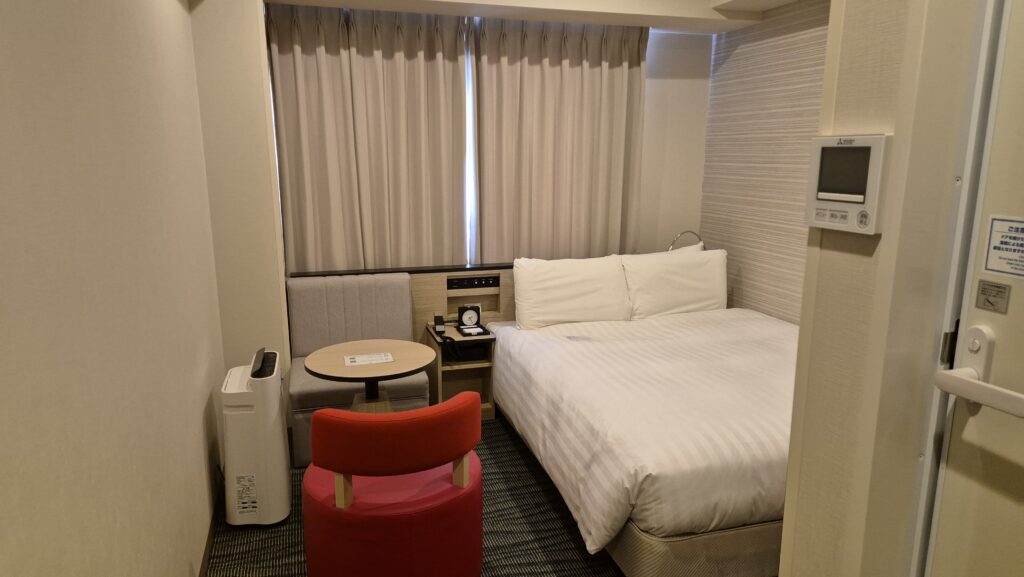
Our room for the next few days.

The standard bathroom you will find in most Japanese hotels.
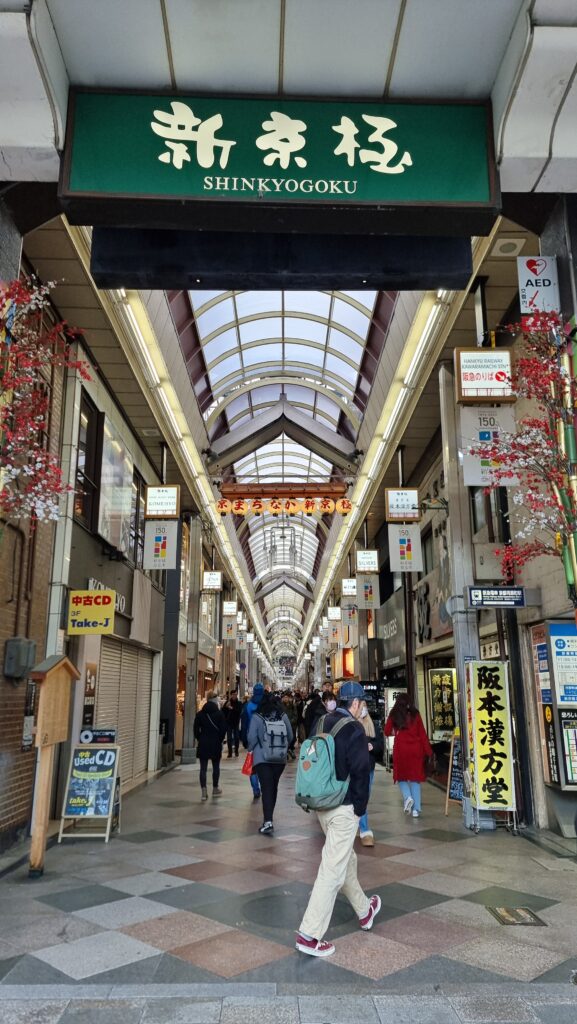
Our hotel can easily access Nishikikoji-Dori Street, a lively market lane famed for its fresh produce, artisan snacks, and traditional Kyoto delicacies.
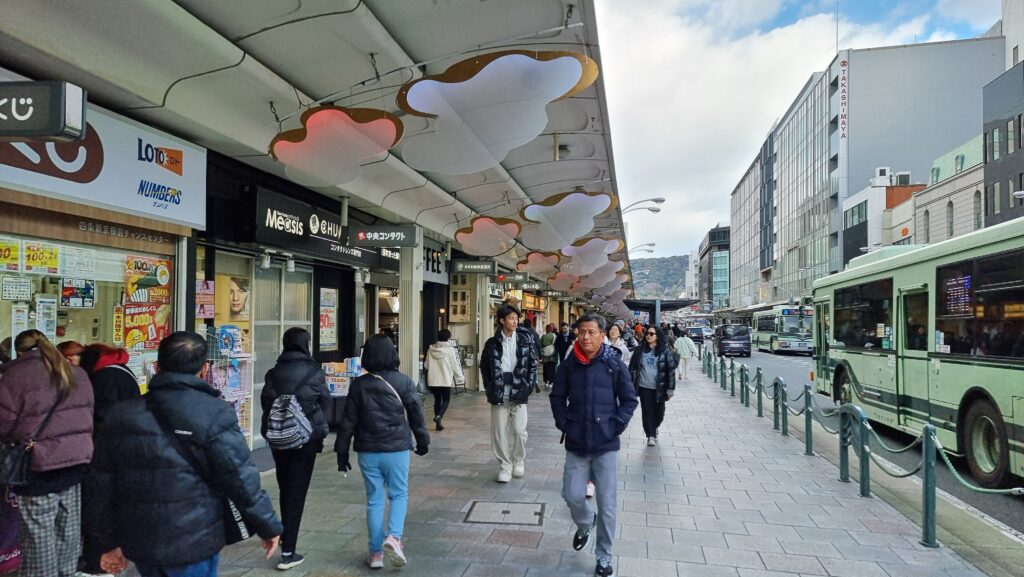
Known as “Kyoto’s Kitchen,” this bustling street is perfect for tasting seasonal treats, picking up local specialties, and soaking in the city’s rich food culture — all in just a few charming blocks.
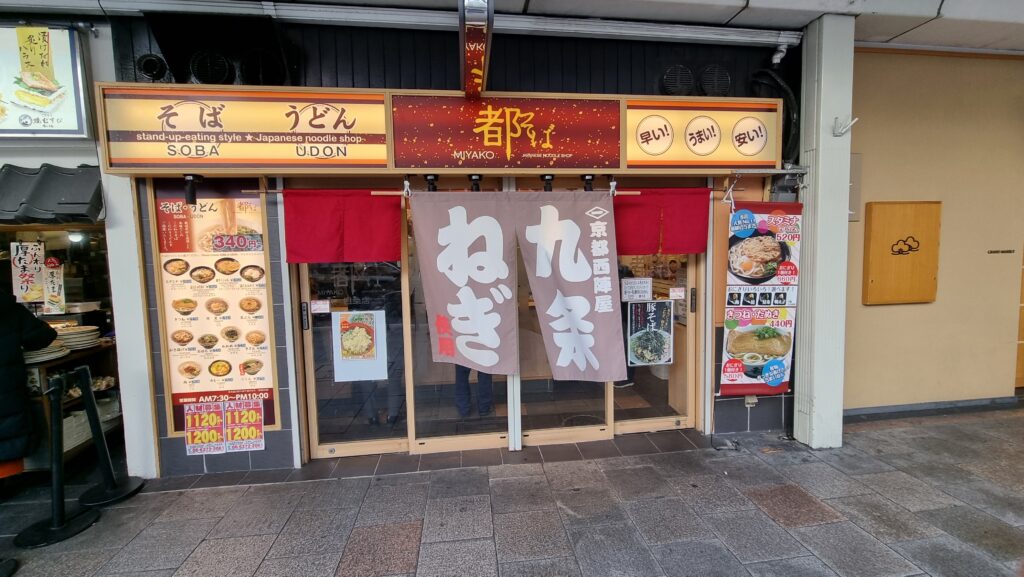
Along the way, we saw this interesting Noodle shop and decided to give it a try.
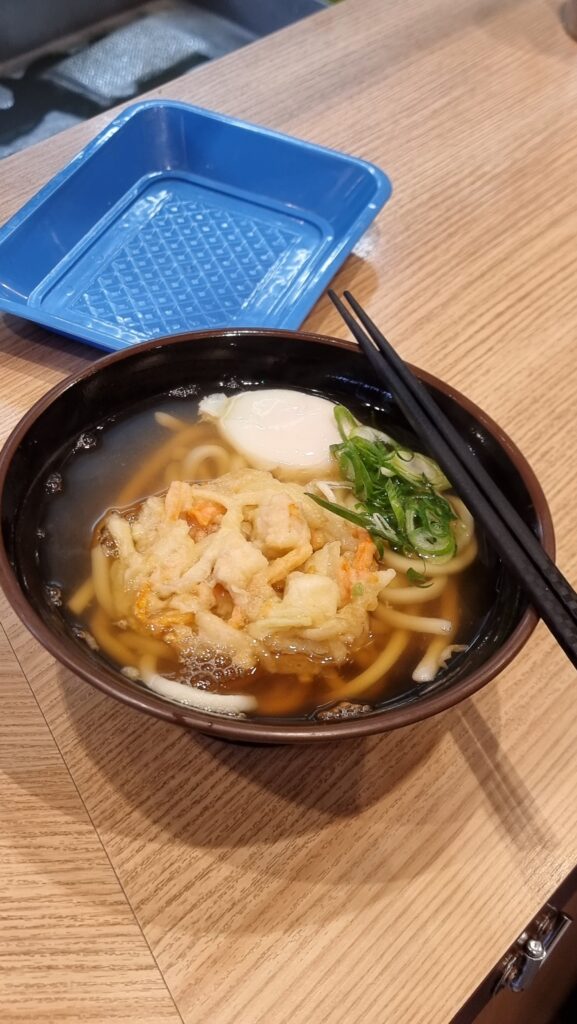
It’s a family-run standing-style noodle shop. Simple udon with fried vegetables and onsen egg.

A traditional building side by side with a modern building.

At the end of the road eastward, we arrived at Yasaka Shrine.
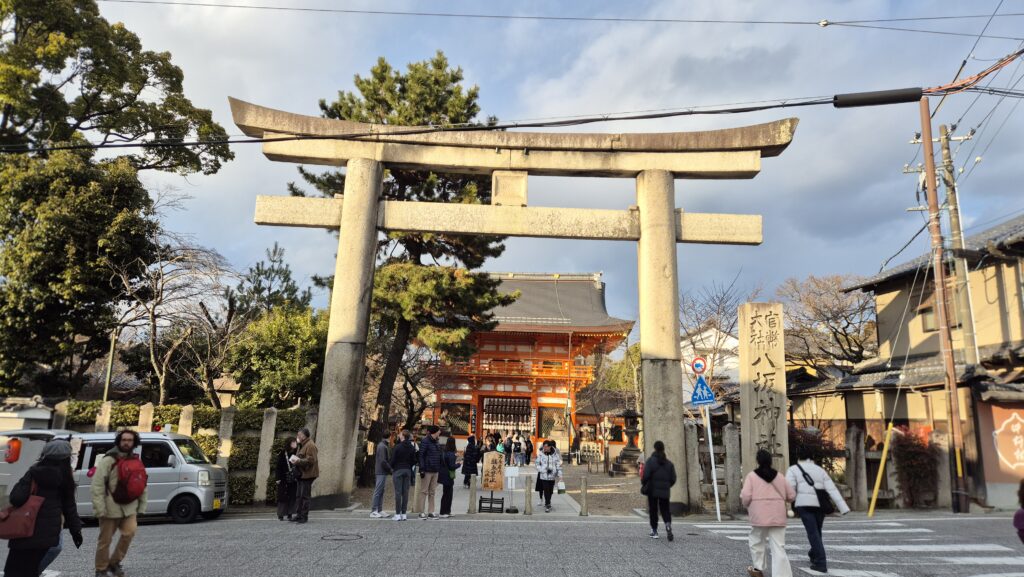
A beautiful Tori-gate at the other end of the shrine.
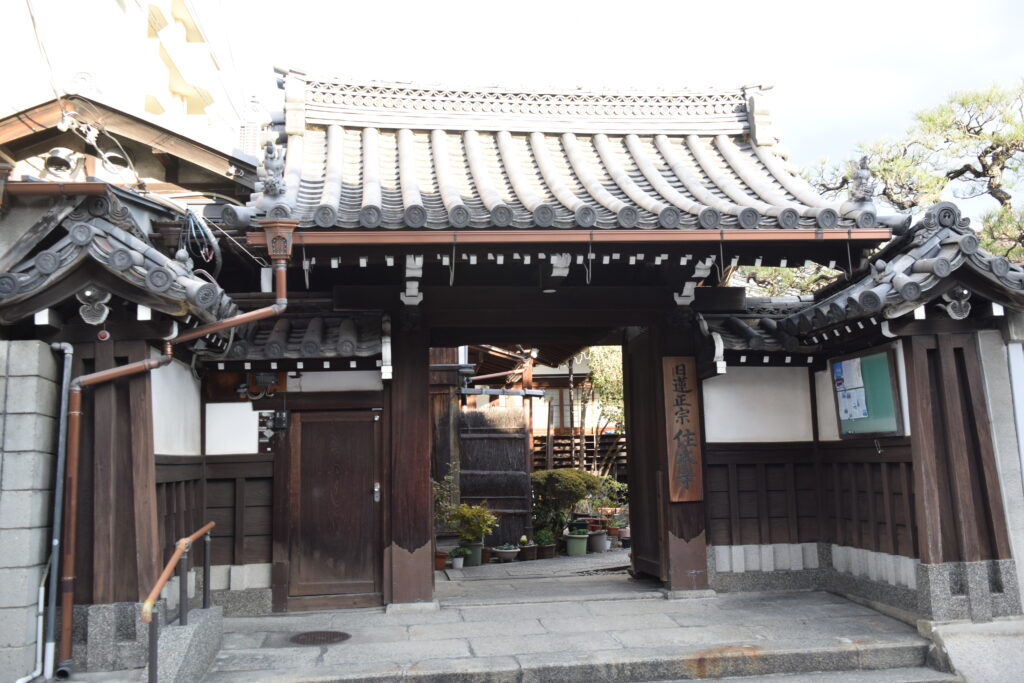
As we continue our journey along Ninenzaka towards Kiyomizu-dera, we come across many beautiful traditional Japanese buildings.


There were many beautiful shops along Sannenzaka.
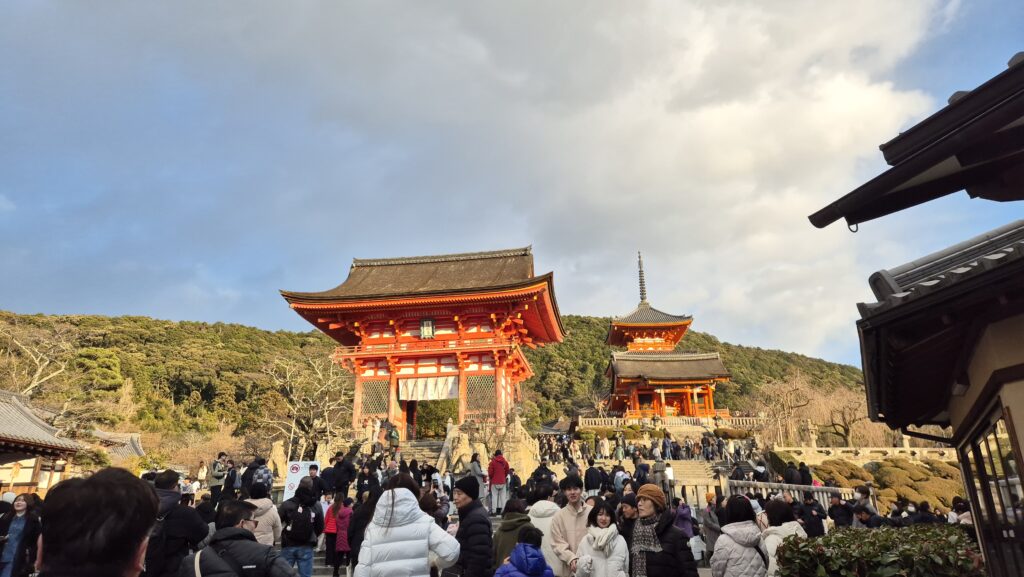
The entrance to Kiyomizu-dera.
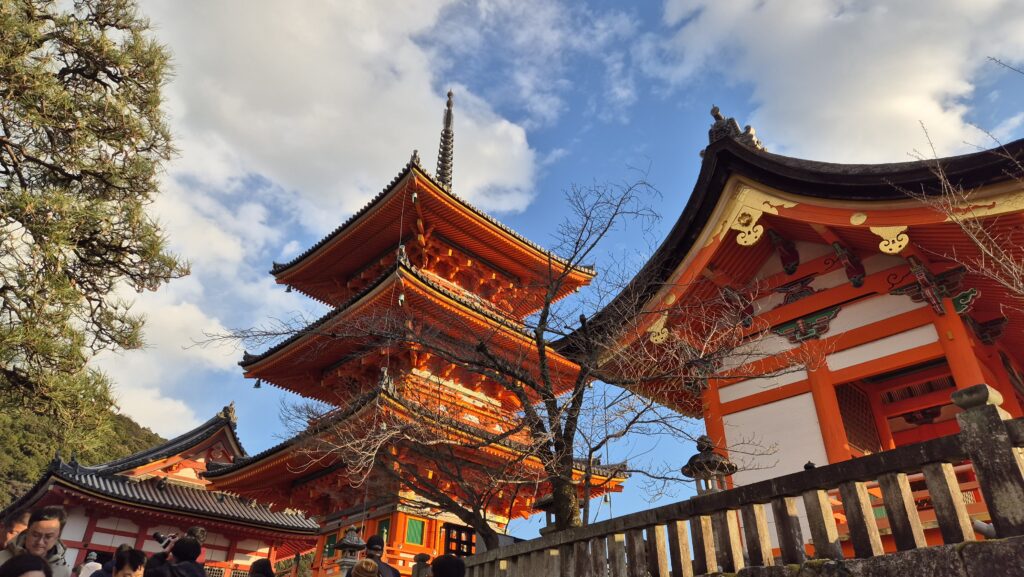
A close-up of Kiyomizu-dera, Sanjunoto Pagoda.


A fee of 500 yen was required to enter Kiyomizu-dera.


Kiyomizu-dera is one of Japan’s most celebrated temples and a UNESCO World Heritage Site. Famous for its vast wooden stage that juts out from the main hall, the temple offers breathtaking views of the city and cherry blossoms in spring or fiery maples in autumn. Founded in 778, Kiyomizu-dera blends history, spirituality, and natural beauty, making it an unmissable stop for any visitor to Kyoto.
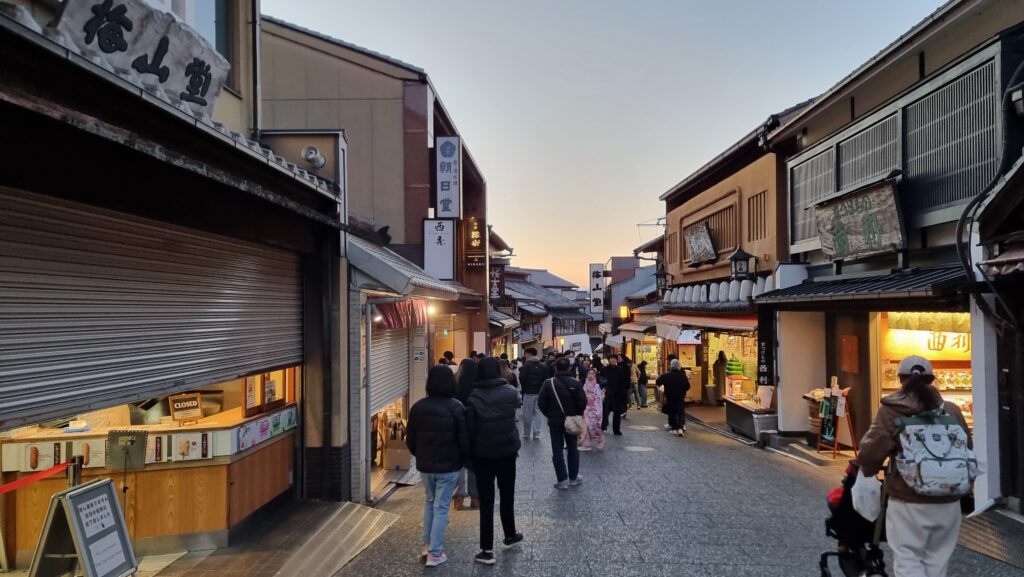
As the sun set, the streets transformed into another look.

Yasaka Shrine at night.
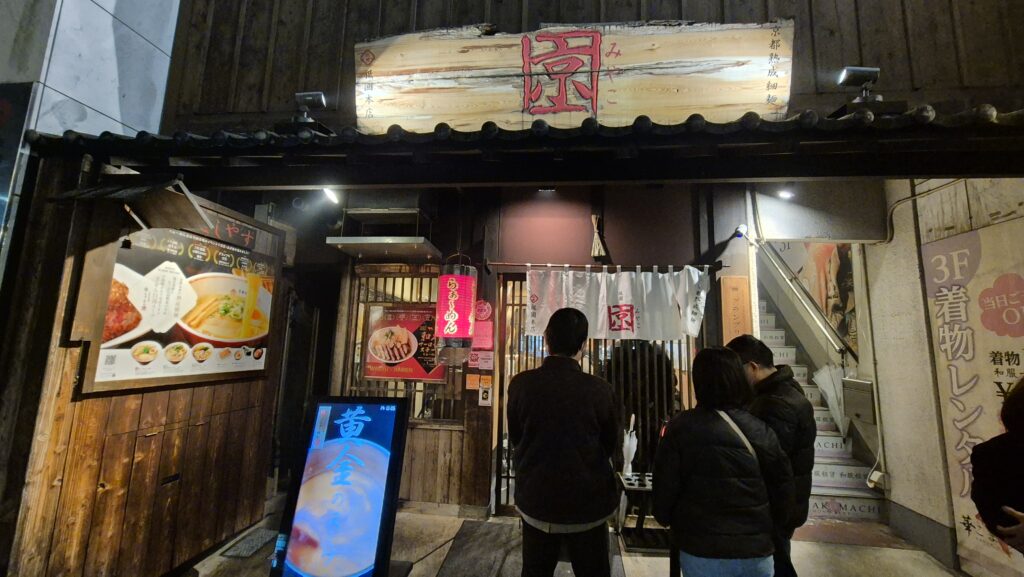
Our dinner place was at Ramen Miyako Gion Main Shop.

We ordered Gyoza with Chicken Karage.

Char-Siew Ramen.
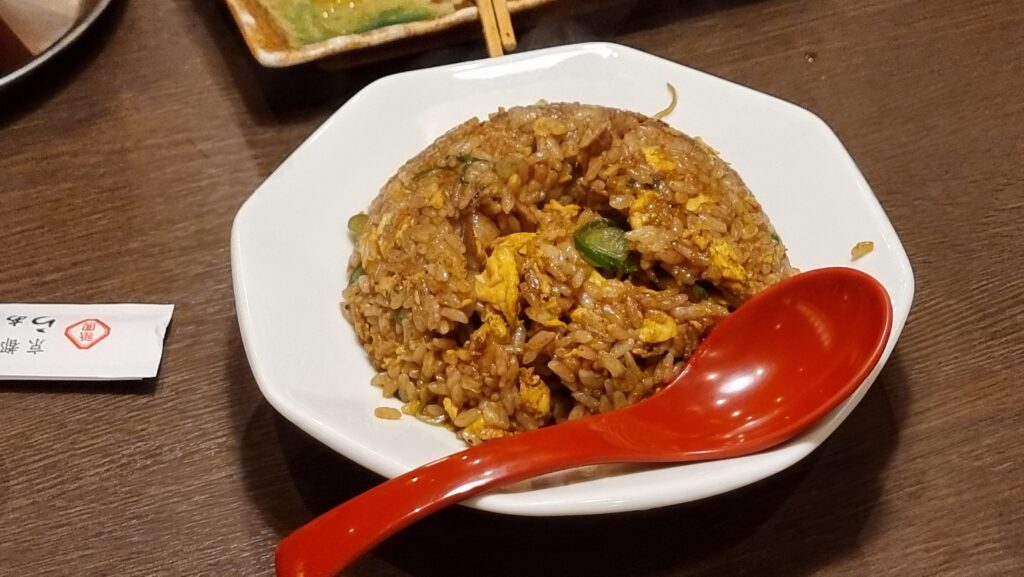
Fried-Rice.

And the restaurant’s award-winning Beef Ramen.
DAY 2

Our day started at about 7 am, when we had our breakfast at the hotel’s restaurant.


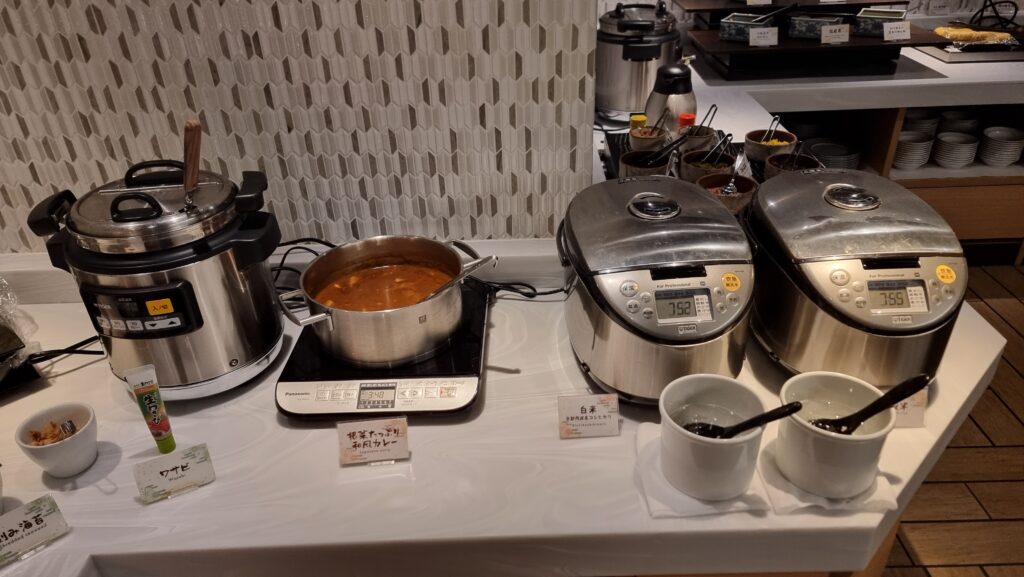
It’s a buffet-style breakfast.
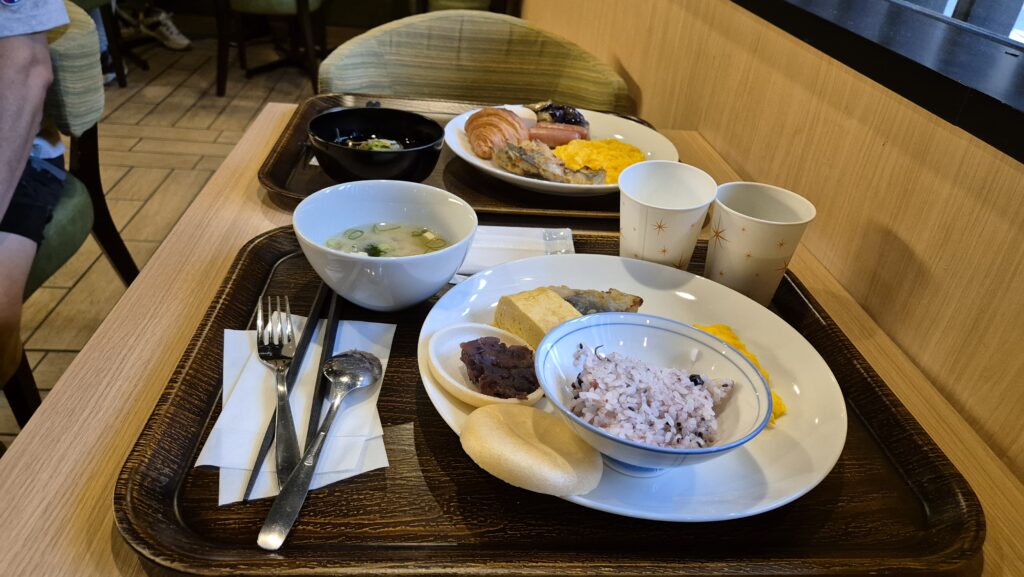
We only took what was sufficient for us.

After breakfast, we made our way to Shijo-Omiya Station.

For our train ride to Arashiyama Bamboo Forest.

Our train is here.

It can only take a limited number of people per ride.

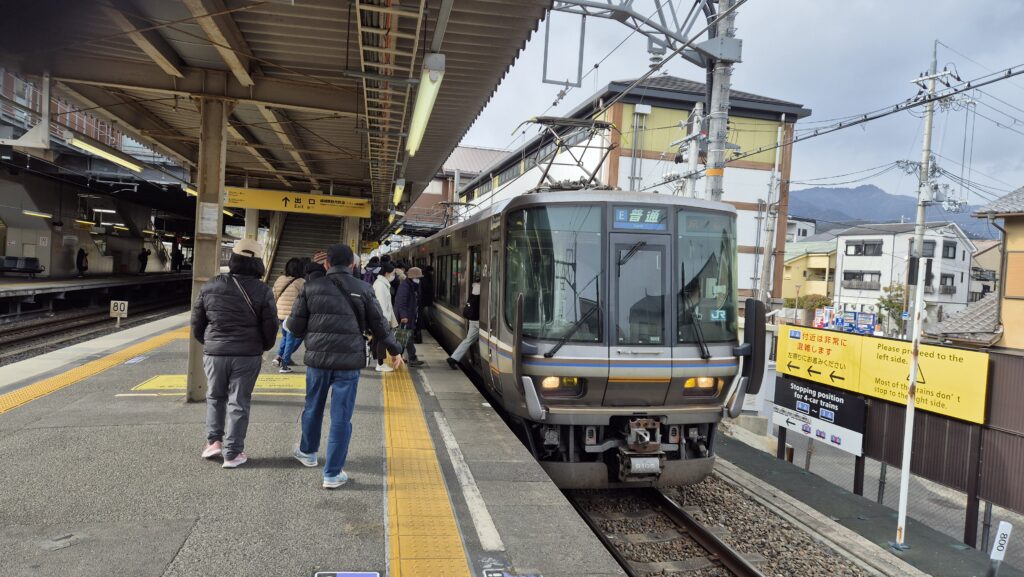
We arrived at Arashiyama station after a 25-minute ride.
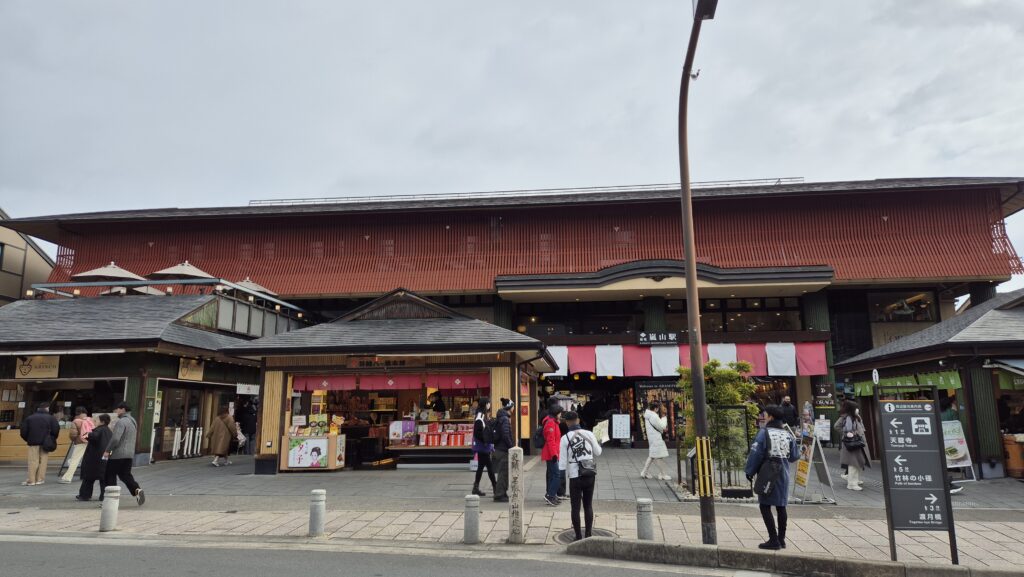
Front view of Arashiyama station.


Lots of nice-looking shops around the station.
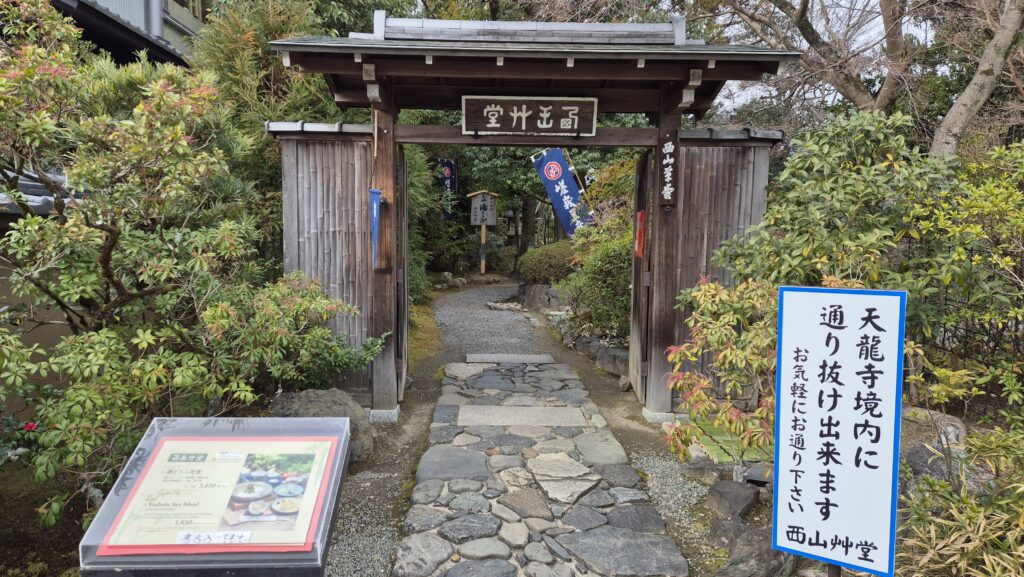
I strongly suggest that you go through this Shrine to access the Bamboo Forest.
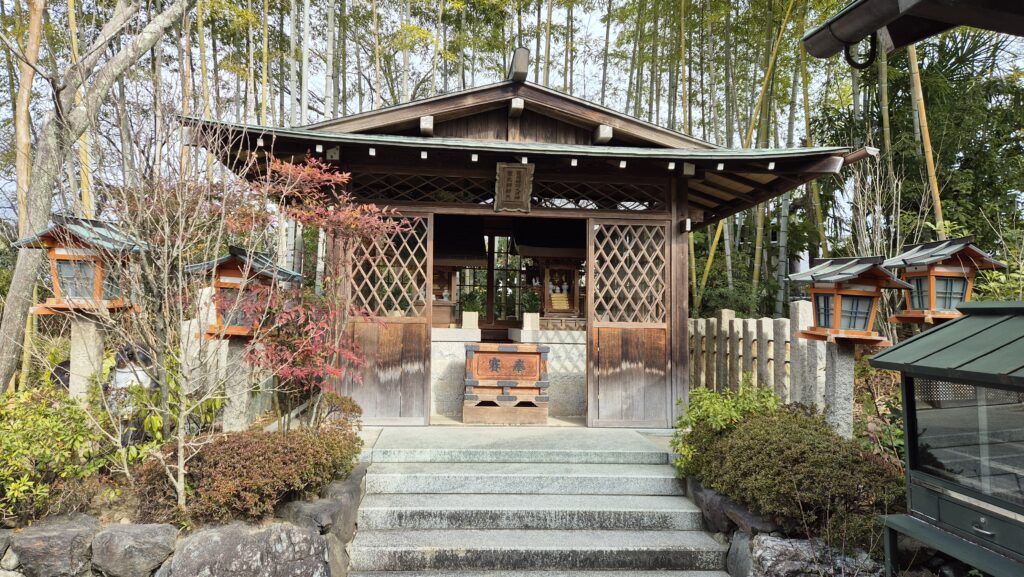


There are some beautiful places inside to visit.

The Bamboo Forest can get rather crowded on certain days.

For those who want to try something different, you can hire a rickshaw to bring you around the Forest.
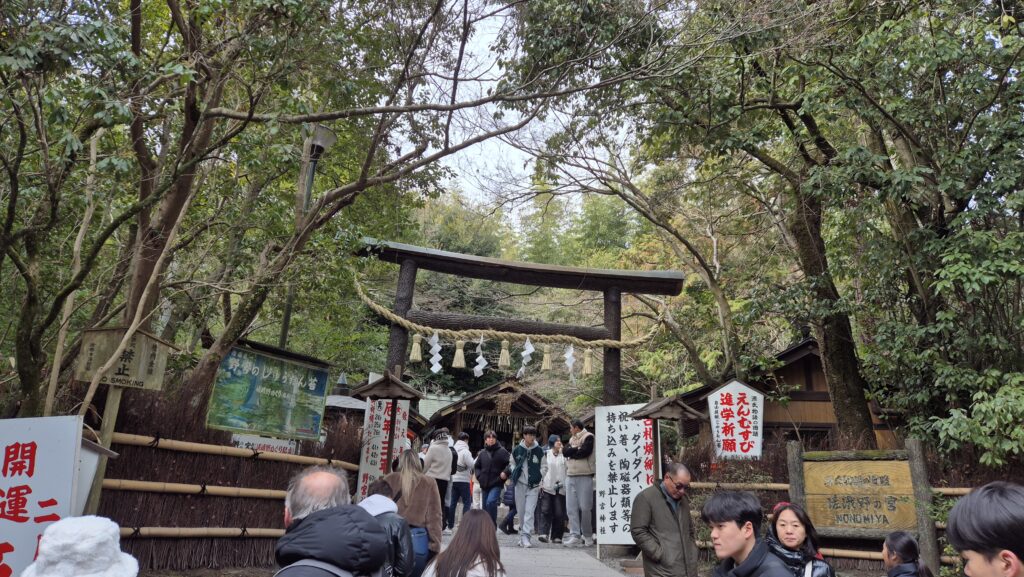
More people and shrines inside the Forest.

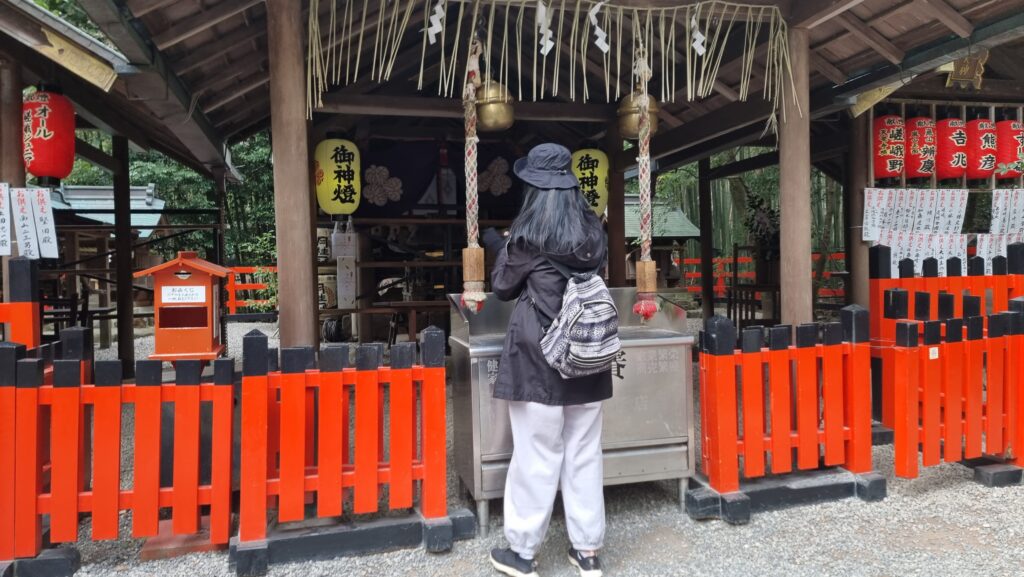
Peace to the World.

The front part of the Bamboo Forest was crowded with people.

So we continued to walk inward and passed the railway track.
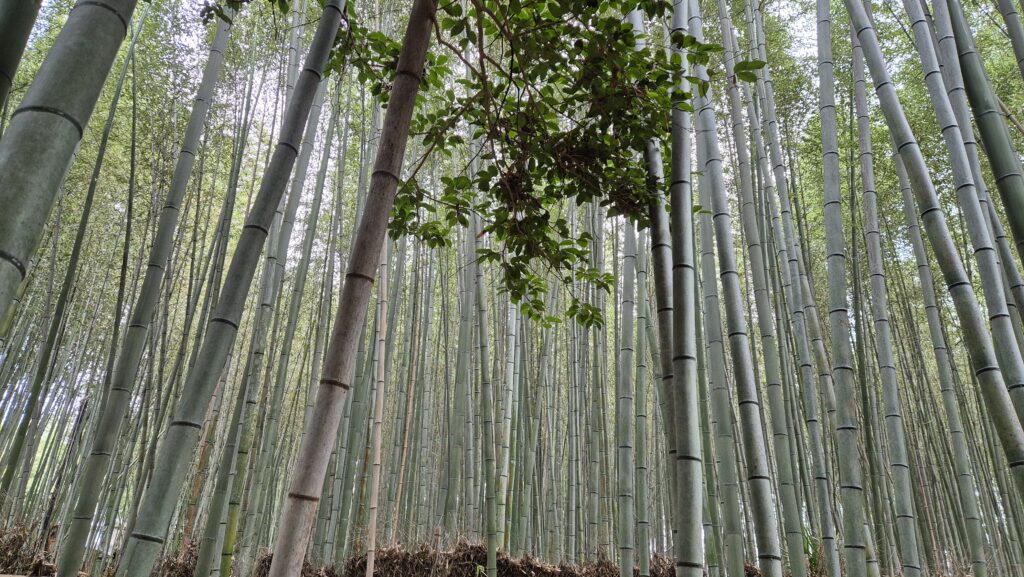
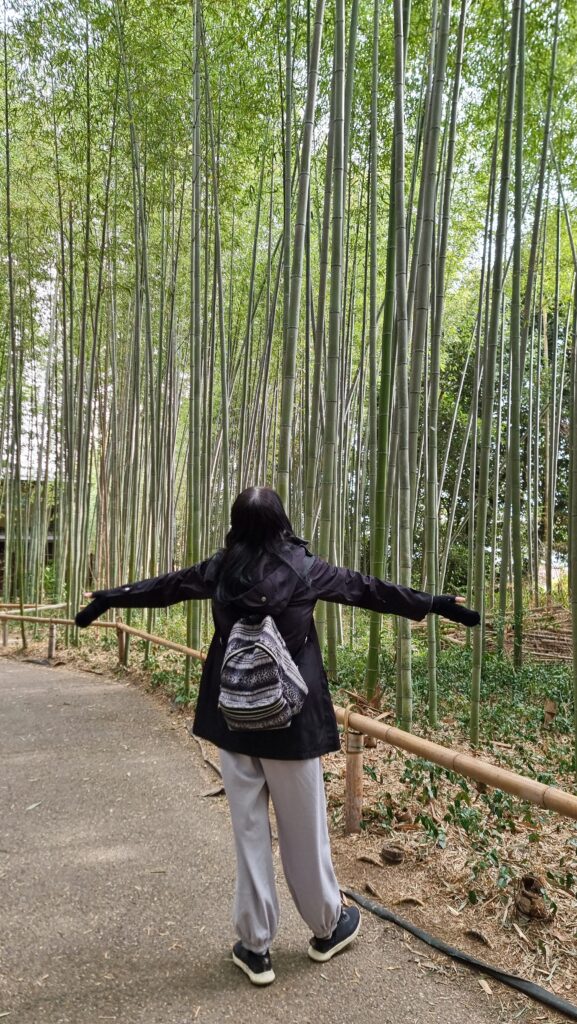

And managed to find a few spots for ourselves.
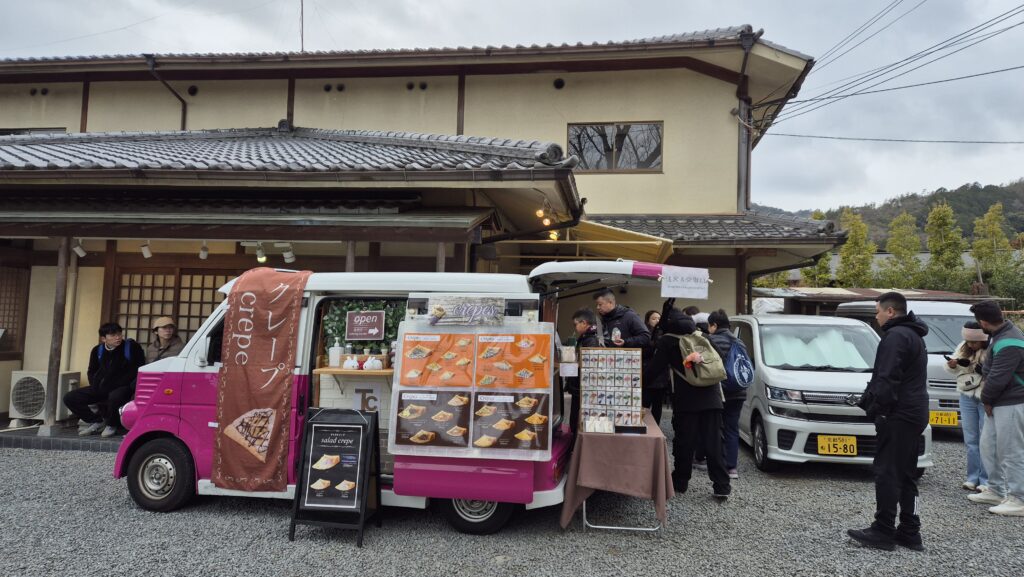
There were some restaurants, cafes and food carts along the way.

Compared to the outside, there were fewer people here.
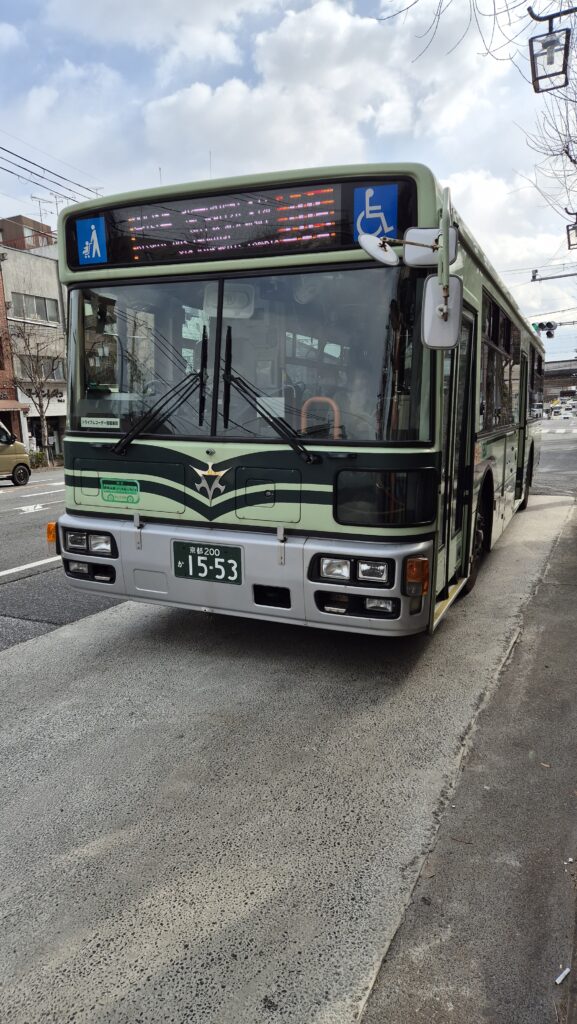
After a quick lunch, we took a local bus towards Kinkaku-ji.

Alight in front of Rakuto.

Then it’s just a short walk to the Shrine entrance.

A site map is available at the entrance.
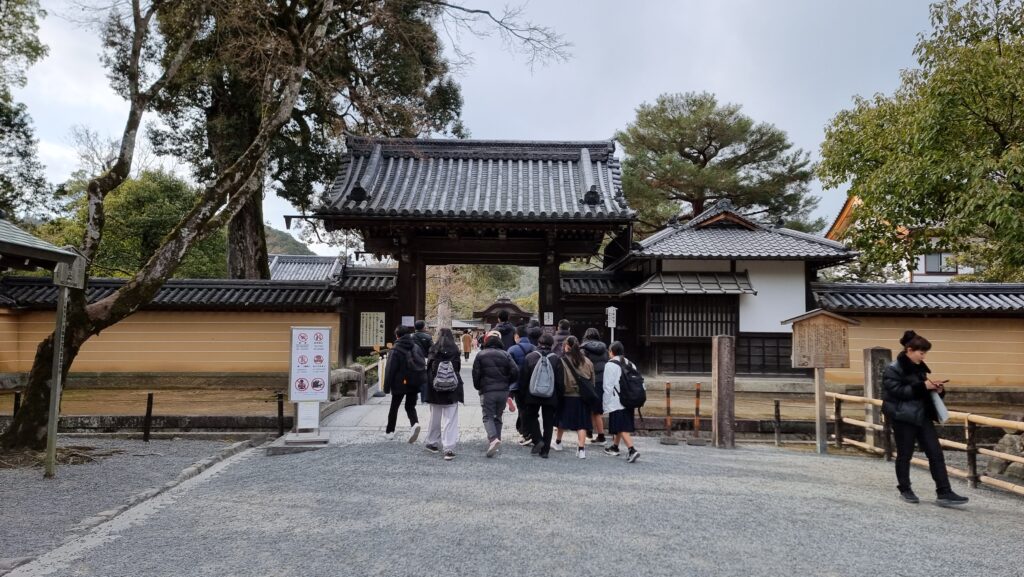
Or follow the crowd.
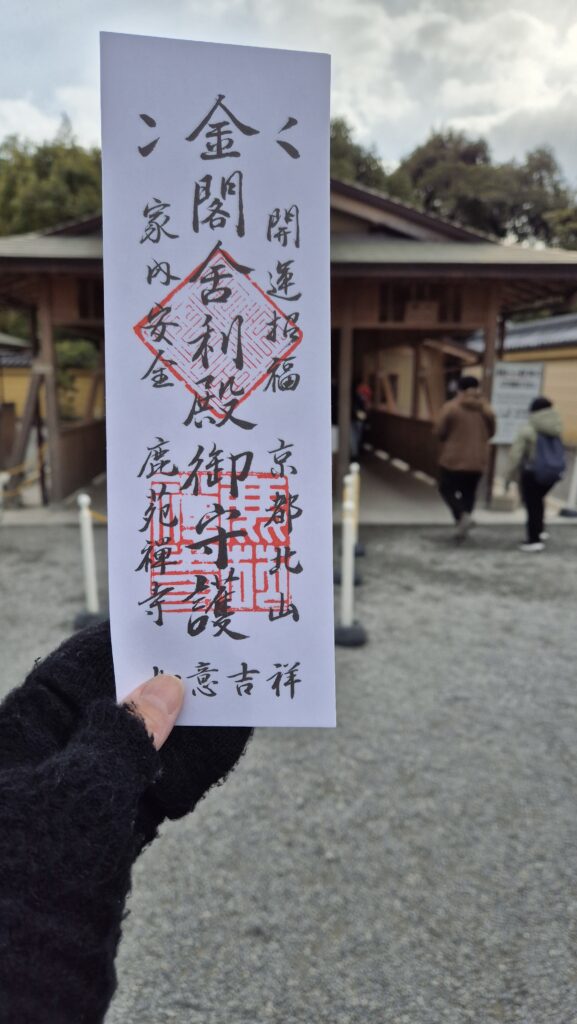
This tailman-looking paper is the entrance ticket to the Shrine.

The Golden Shrine from across the pond.
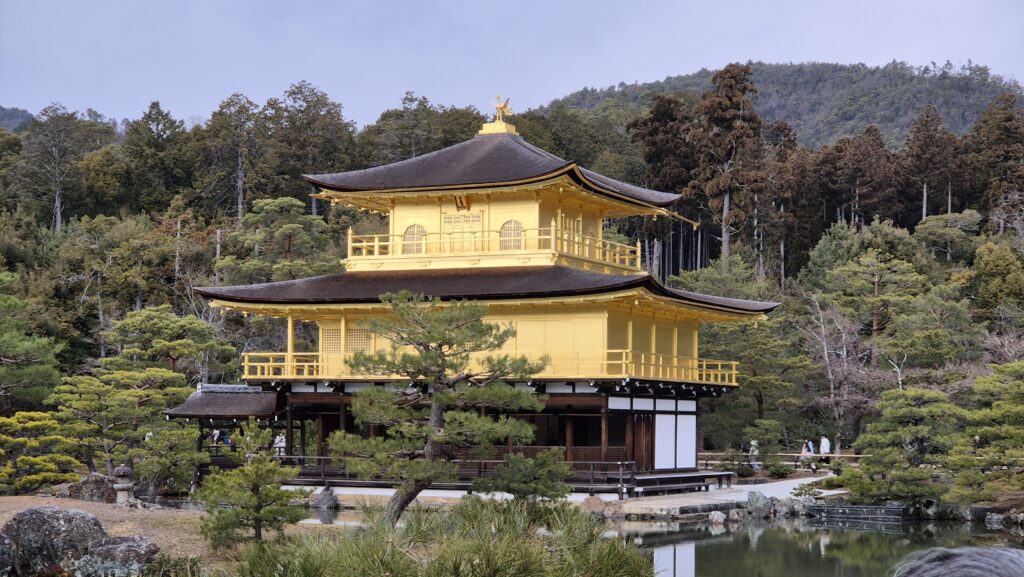
A close-up of Kinkaku-ji.

The back of Kinkaku-ji.


There are many different well-wishing candles here. For Health, Love, Good Exam Results, Good Business Earnings, etc. Choose the candles most appropriate for your wishes.

Light them up.
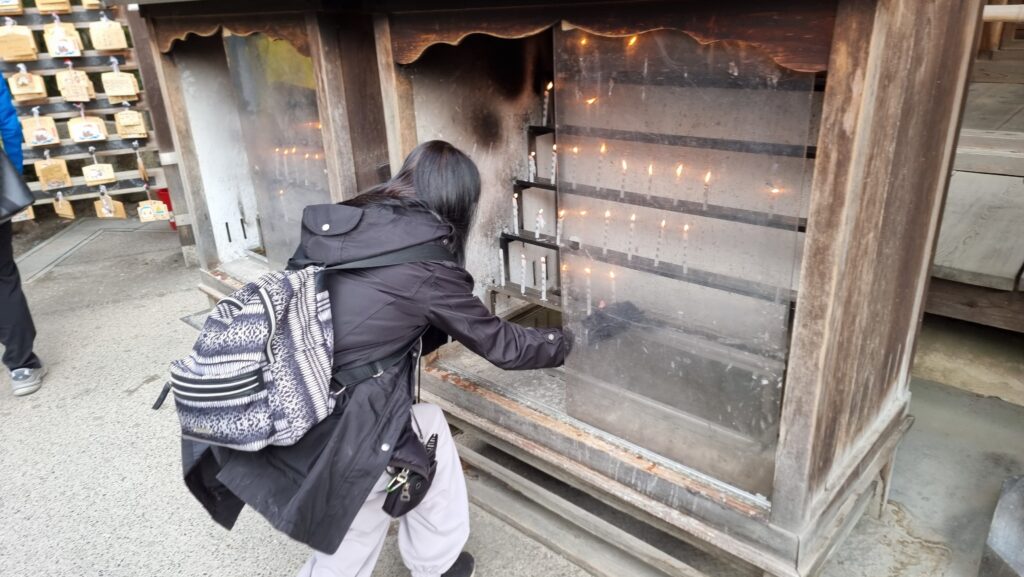
And place them here to offer well-wishes to your loved one.

For dinner, we decided to try out the popular Marugame Seimen‘s Udon.
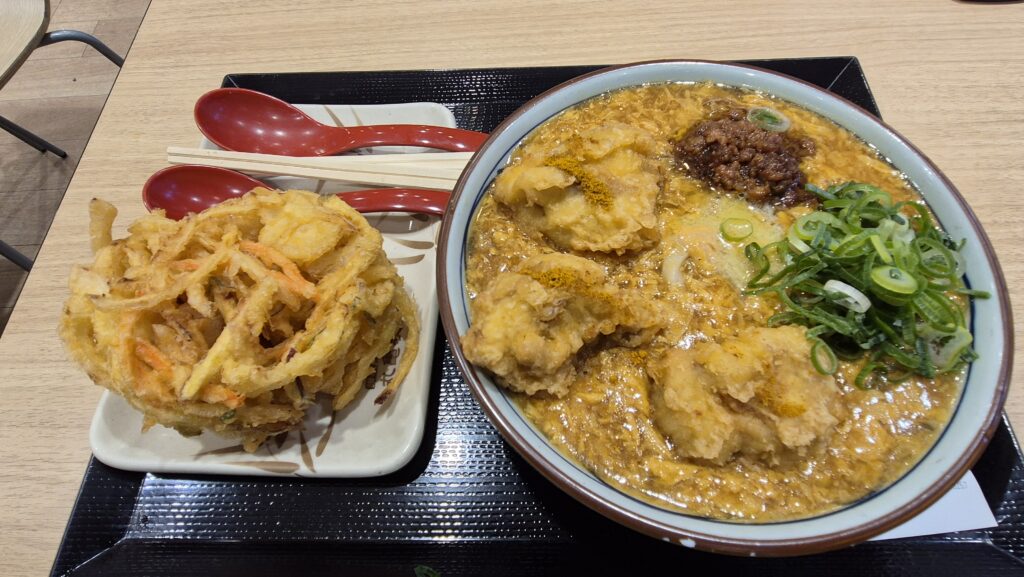

We also tried out some Chinese food.

Most Japanese hotels have coin laundry and dryers. We washed our clothes before going to bed.
DAY 3
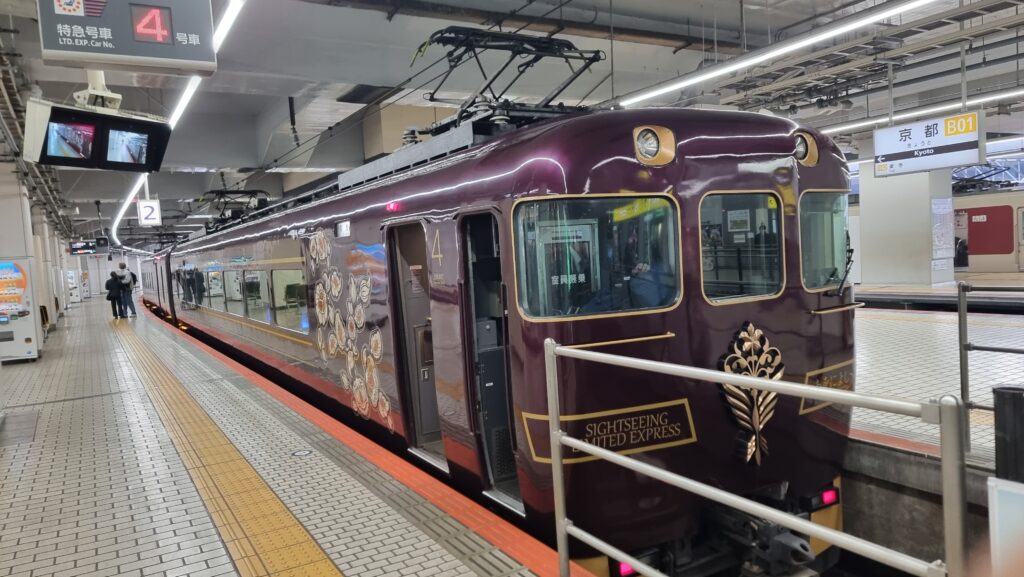
We will be heading to Nara Park this morning. Back home, I had made a reservation for the Aoniyoshi Sightseeing Limited Express Train.
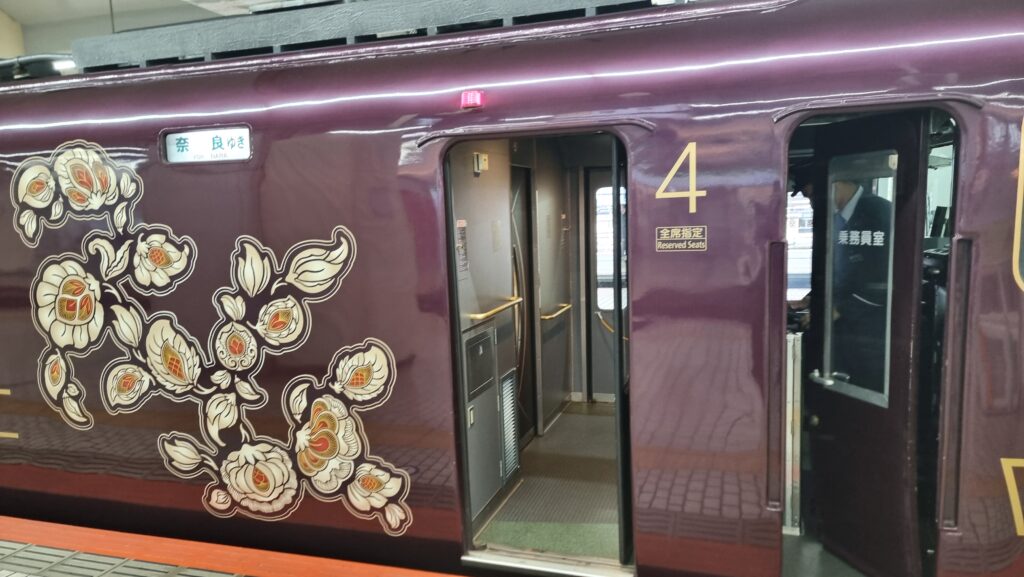
It is a luxurious Kintetsu Railway service that runs between Kyoto, Nara, and Osaka, offering a stylish way to explore Japan’s ancient capitals.
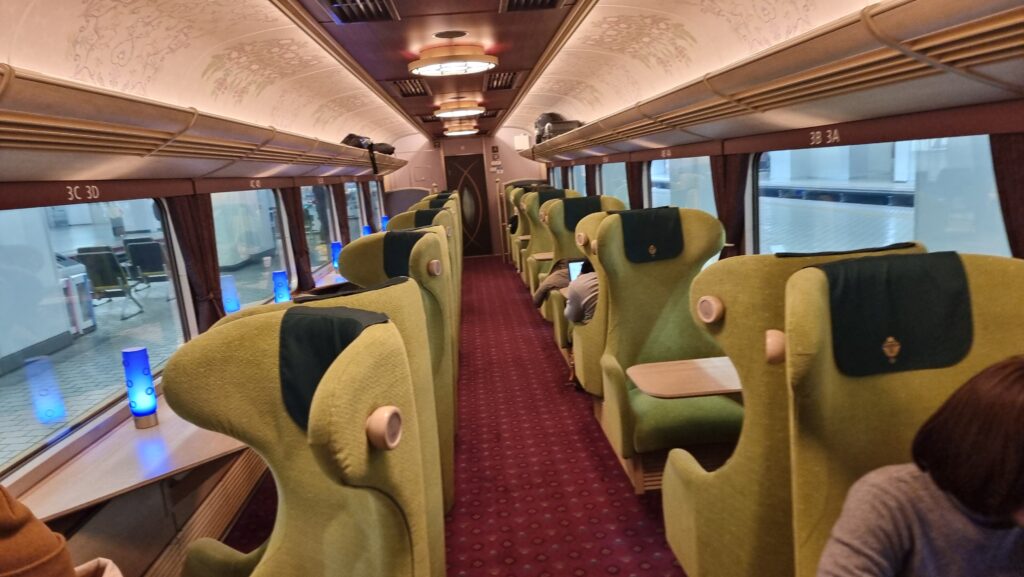
Inspired by the elegance of the Tenpyo culture of the Nara period, the train features deep purple exteriors, spacious lounge-style seating, and panoramic windows for scenic views. Seats are limited, so book well in advance.

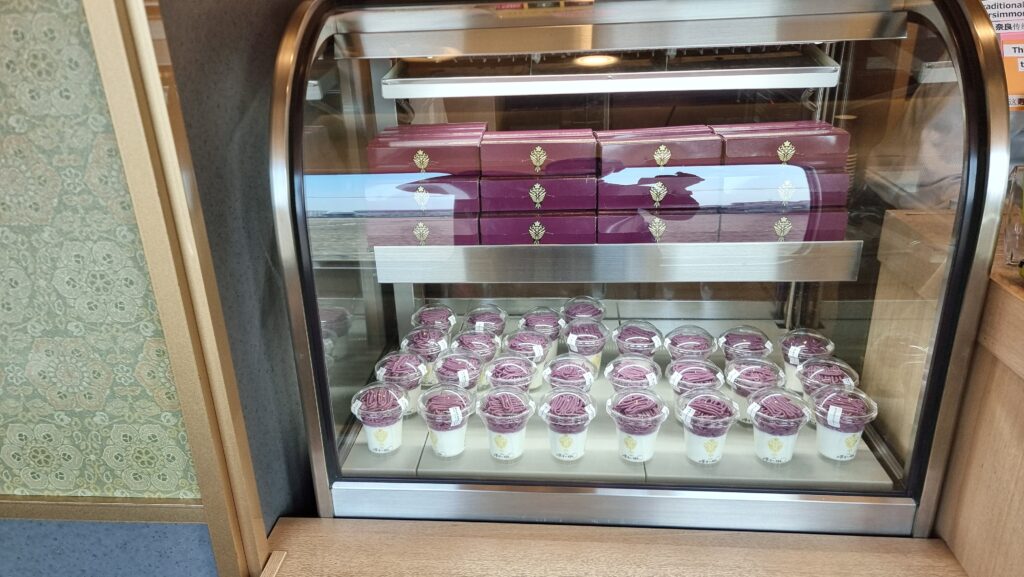
On board, passengers can enjoy a relaxing atmosphere, specialty sweets, and a touch of classical refinement, making the journey itself a memorable part of any Kansai adventure.

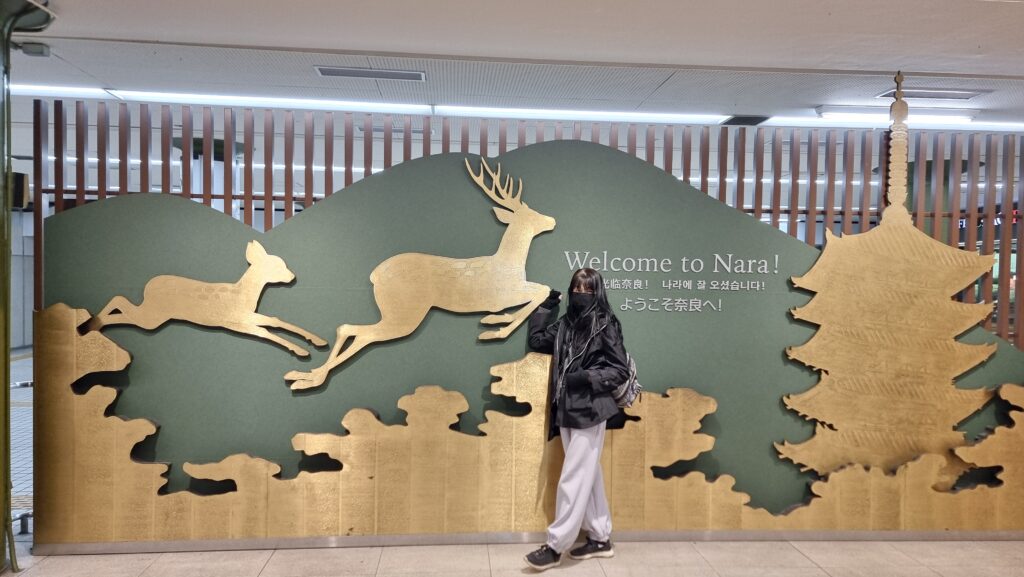
The train arrived at Nara Station after 35 minutes.

Follow the sign for Exit 1.
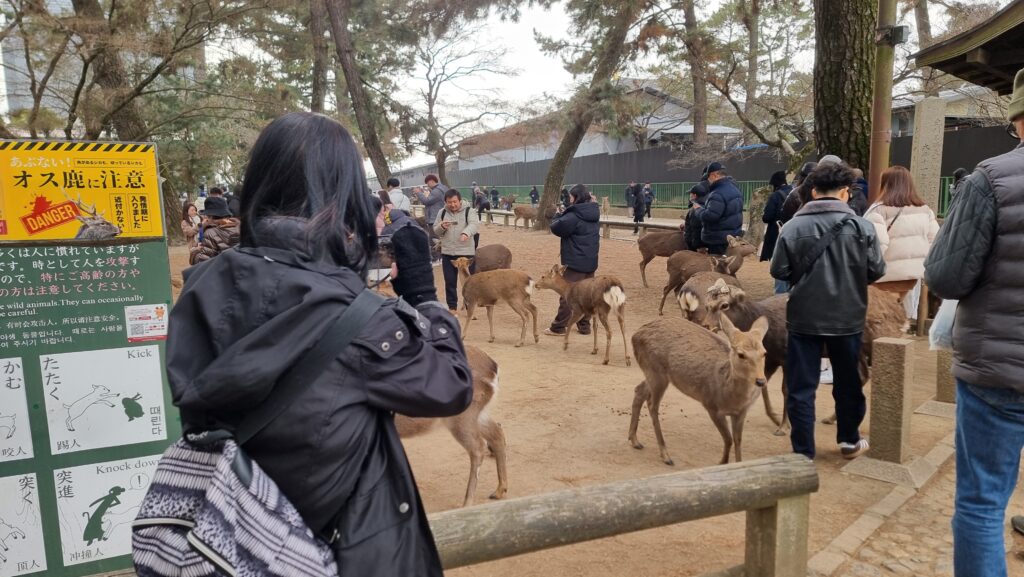
We arrived at Nara Park after a short 10-minute walk.
Nara Park is one of Japan’s most iconic destinations, famous for its free-roaming deer and historic treasures. Located in the heart of Nara, the park stretches across a vast green space dotted with temples, shrines, and museums. Its most celebrated highlight is Todai-ji Temple, home to the Great Buddha statue, along with Kasuga Taisha Shrine and the Nara National Museum.
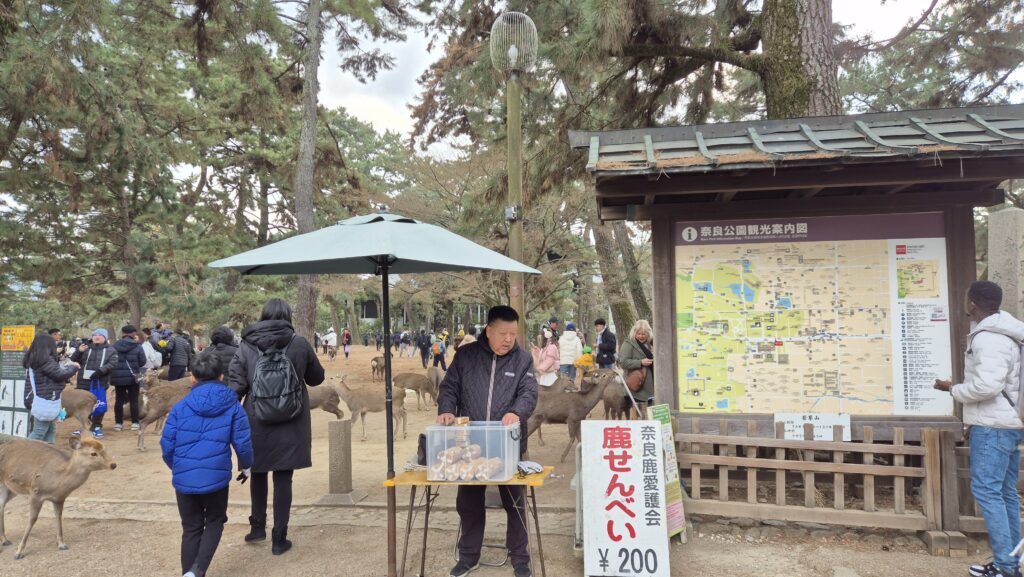
The friendly deer, considered messengers of the gods, are the park’s beloved residents—visitors can even feed them special “deer crackers” (shika senbei) sold on-site.
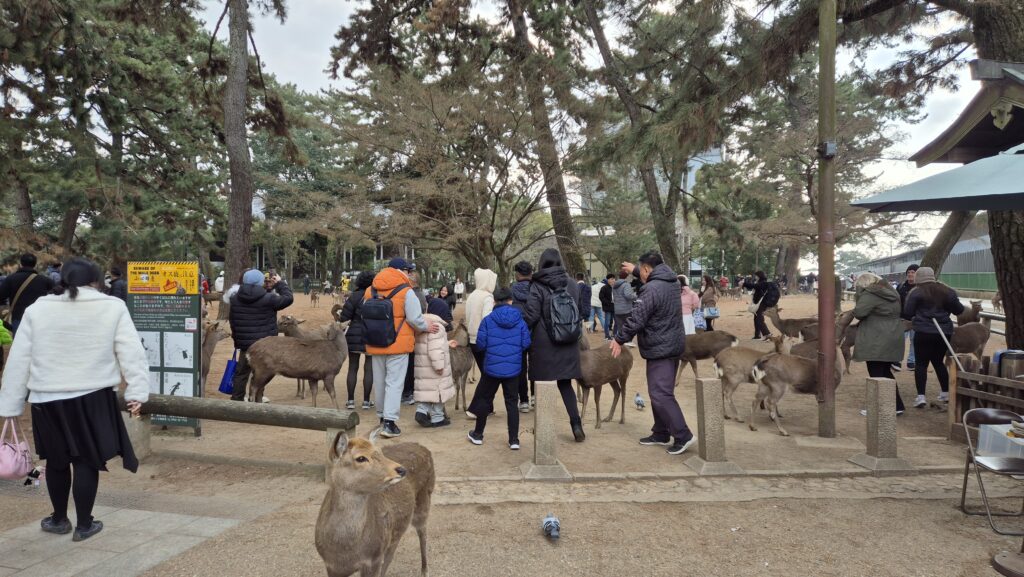
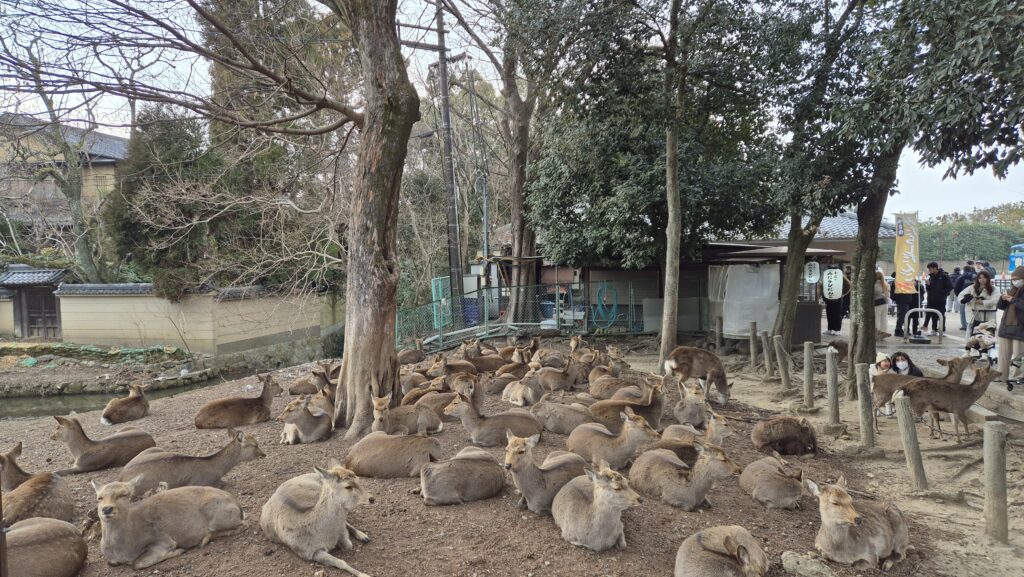
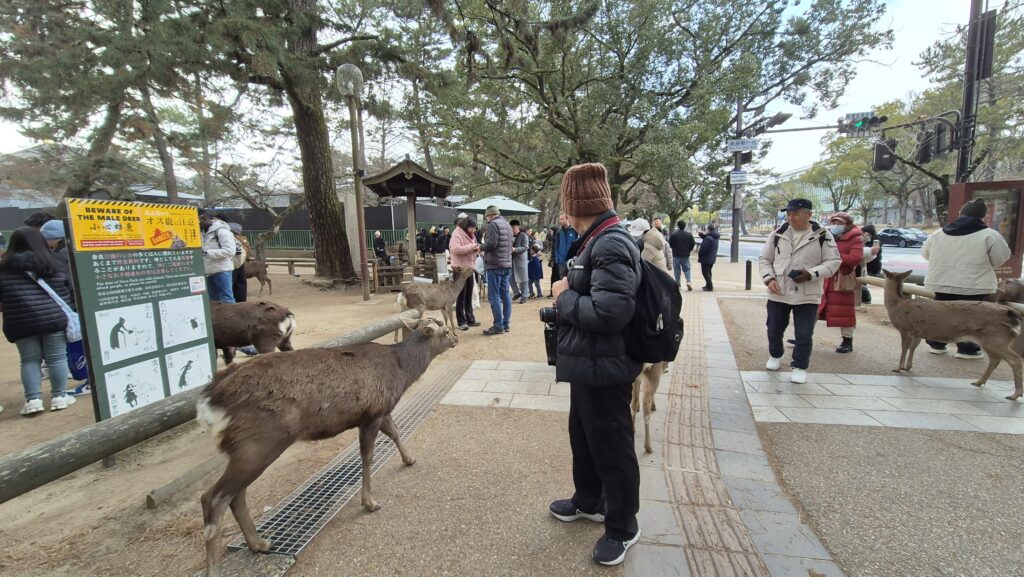
With its blend of natural beauty, cultural landmarks, and charming wildlife, Nara Park offers a unique experience where Japan’s history and traditions meet a lively, open-air setting. It’s a must-visit for anyone traveling to the Kansai region.
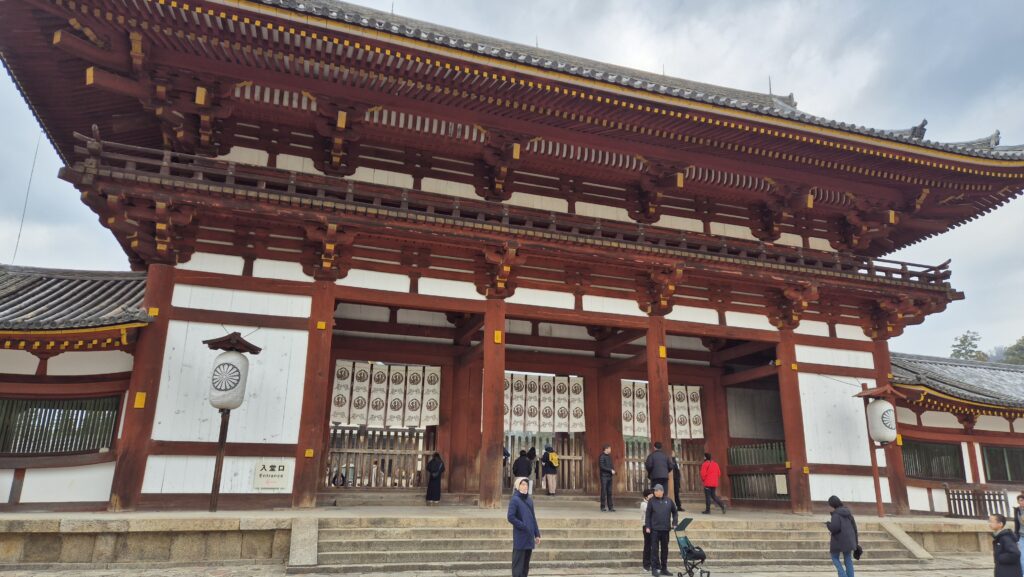
Situated within Nara Park, there is a Tōdai-ji Temple. Founded in the 8th century as the head temple of all provincial Buddhist temples, it played a central role in the spread of Buddhism across Japan.

Its massive Great Buddha Hall (Daibutsuden) is a UNESCO World Heritage Site and one of the largest wooden structures in the world.
Inside, you’ll find the awe-inspiring Great Buddha (Daibutsu)—a bronze statue towering over 15 meters high, symbolizing peace and enlightenment.

Next destination, Fushimi-inari Shrine.
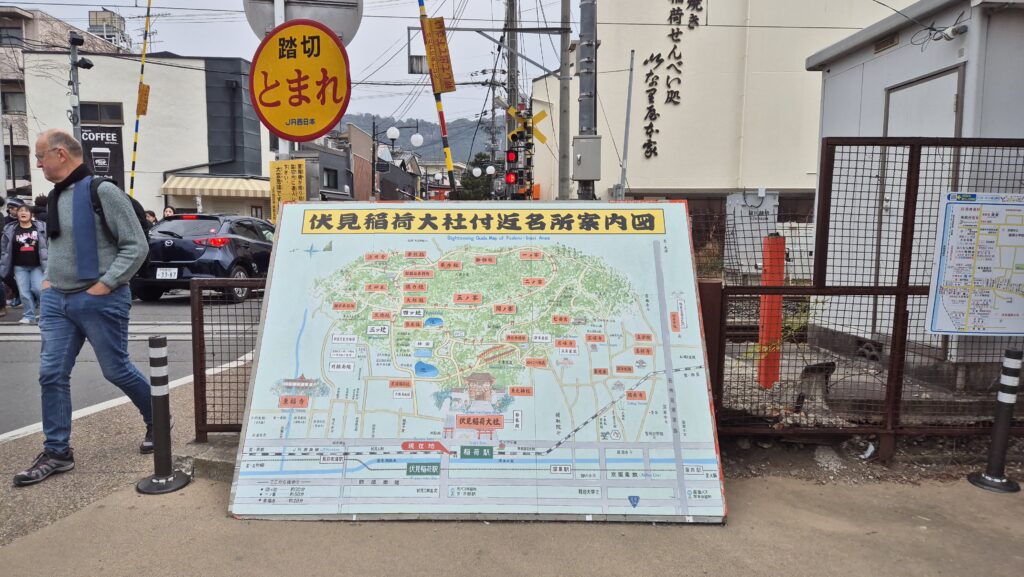
A map of the surrounding area was available.

As with many Japanese popular sites, the place was packed with people.
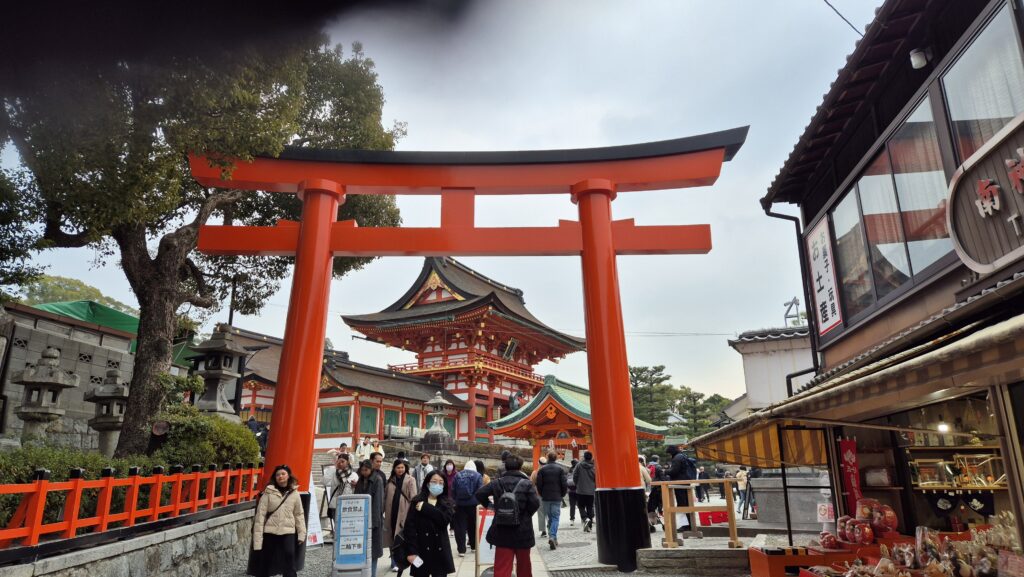
The shrine was a short walk from the station.

A red giant Tori-gate greeting visitors at the entrance.


The smaller shrines within the site.
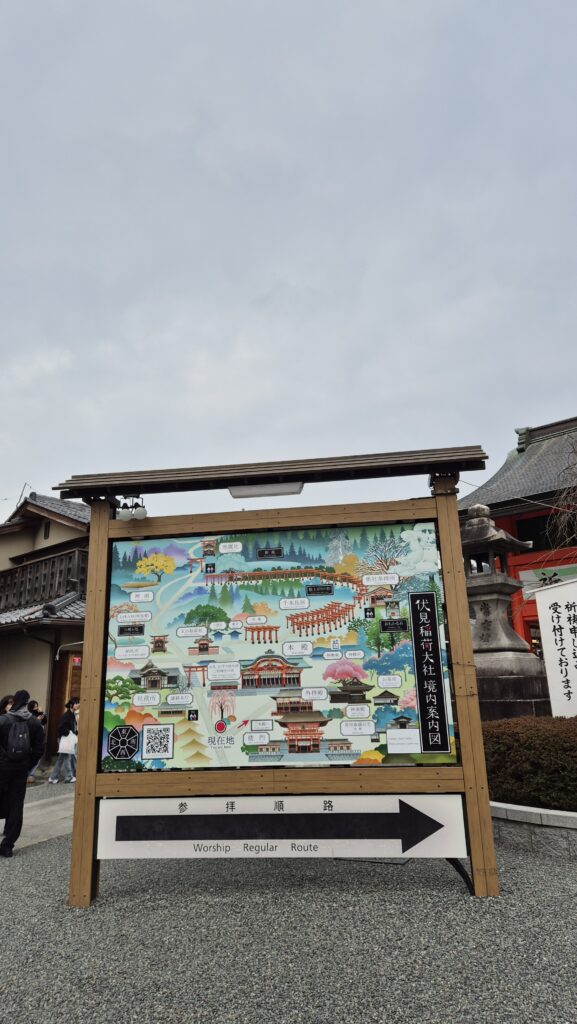
Site Map of the Shrine.

The main Shrine.
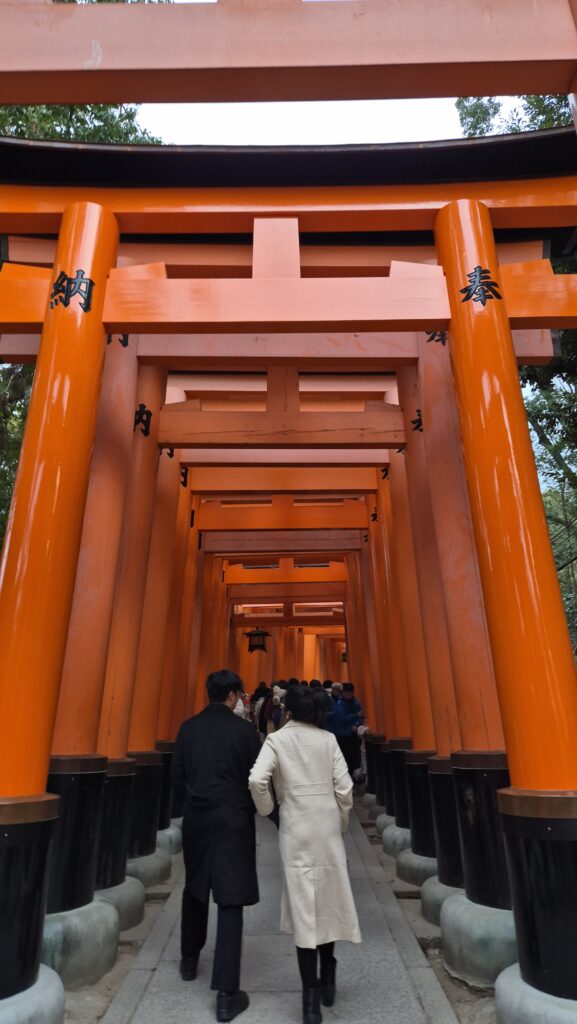
After the main shrine, we arrived at the world-famous Thousand Tori-gates.
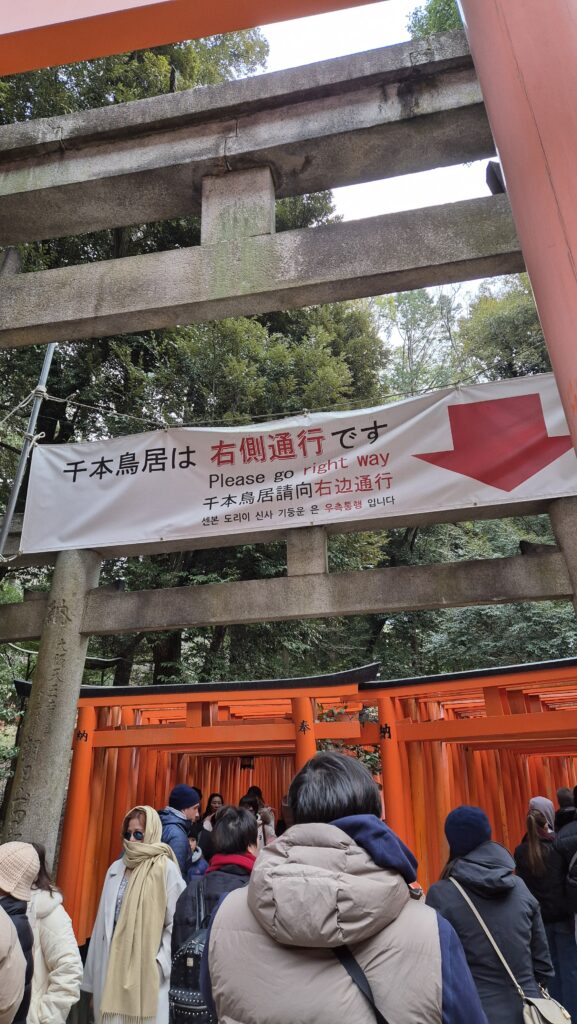
Do follow the directional signs.

It’s impossible to find any spot without other people around.


Unless you do some close-up shots.


Light poles resembling the kimono designs.
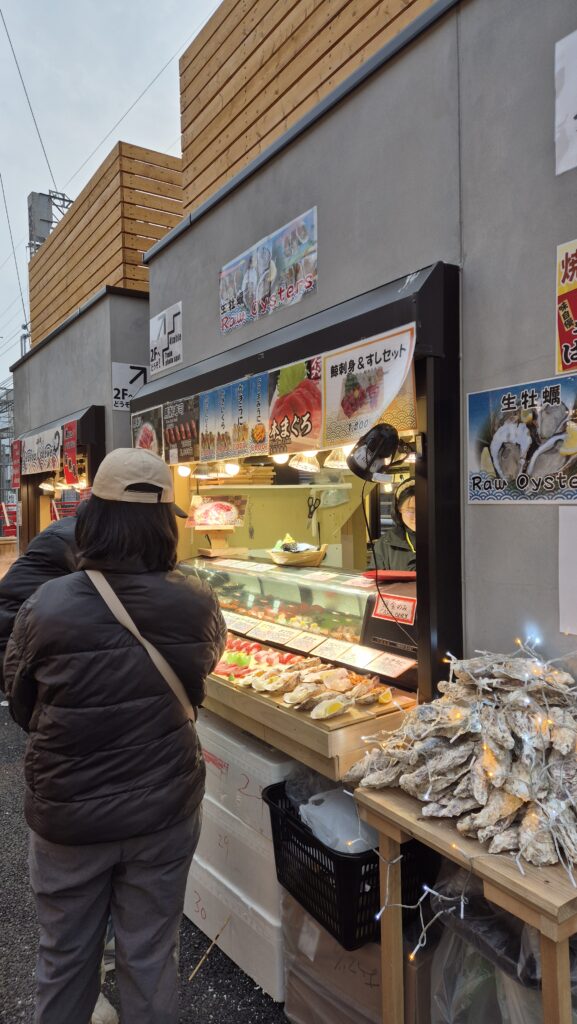

A quick snack before heading back to the city.

Kyoto Tower at night.

Aeon Mall Kyoto.

Decided to try out the Ippudo Ramen here.

Somehow I feel that their soup base is a little bit too salty.
After dinner, we headed back to the hotel to pack for Osaka. Good night.