Japan’s Golden Route: Tokyo → Kyoto → Osaka
Planning your first trip to Japan? You’ve probably heard people talk about the “Golden Route.” It’s the classic trail that takes you from Tokyo’s neon buzz to Kyoto’s old-world charm and finally to Osaka’s foodie heaven. And honestly? It’s popular for a reason — this route gives you a little bit of everything that makes Japan amazing.
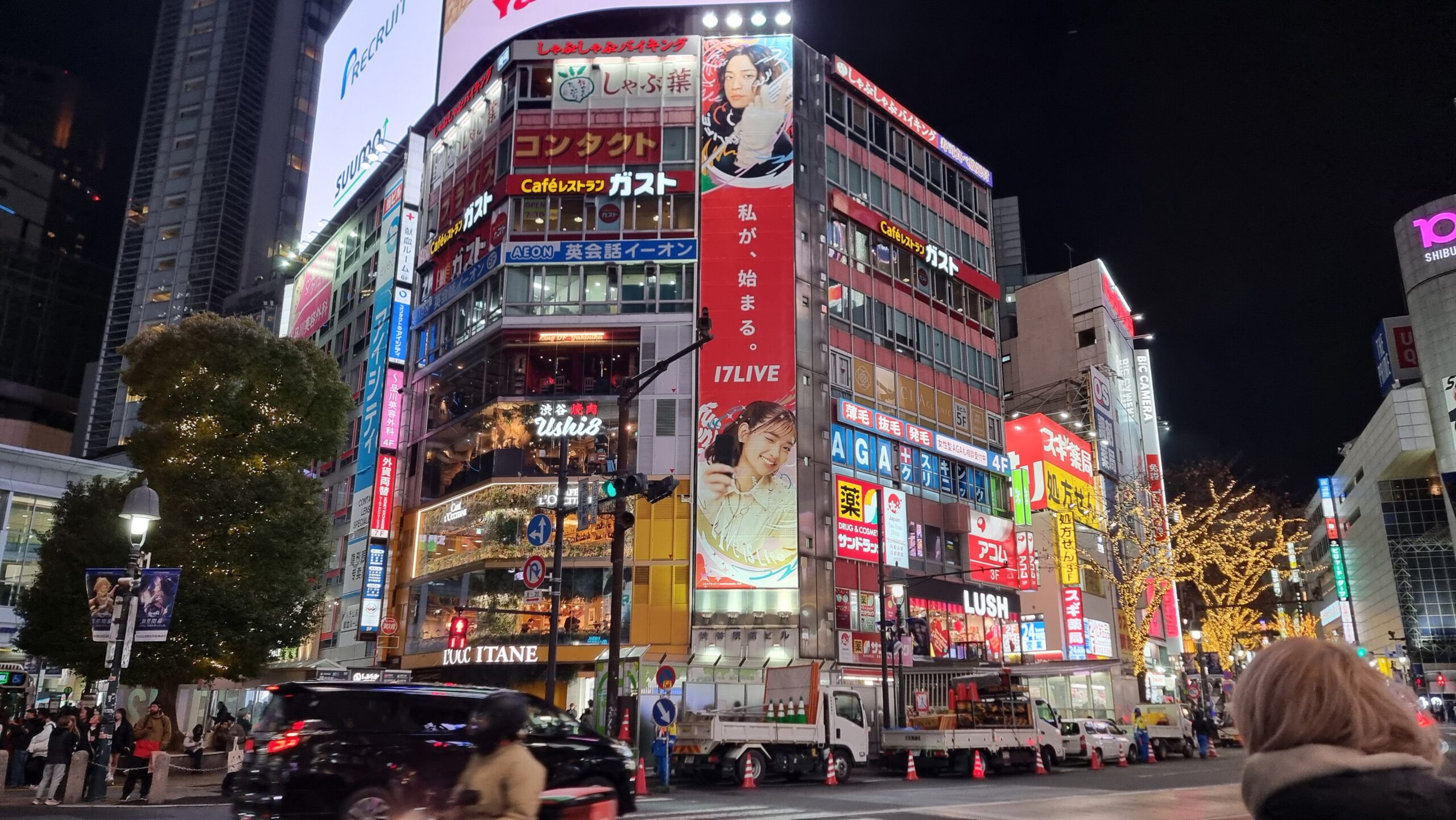
- Start in Tokyo, where ultramodern skyscrapers and ancient temples share the same skyline. One minute you’re crossing Shibuya’s famous scramble, the next you’re quietly wandering through Meiji Shrine.
- Head to Kyoto, Japan’s cultural soul. Think tranquil bamboo groves, stunning shrines, tea houses, and those iconic red torii gates at Fushimi Inari.
- Finish in Osaka, where the energy shifts to friendly streets, sizzling food stalls, and bright nightlife — the perfect grand finale.
The best part? Japan’s bullet train connects all three cities in just a few hours. No hassle, no wasted time — just hop on, relax, and glide to your next adventure. Whether you’ve got a week or ten days, the Golden Route is the easiest way to fall in love with Japan on your very first visit.
For this trip, we planned to cover as much as possible within 10 days and bring you the best of the Golden Route.
So, let’s go……………..
PART 1 – TOKYO
DAY 1
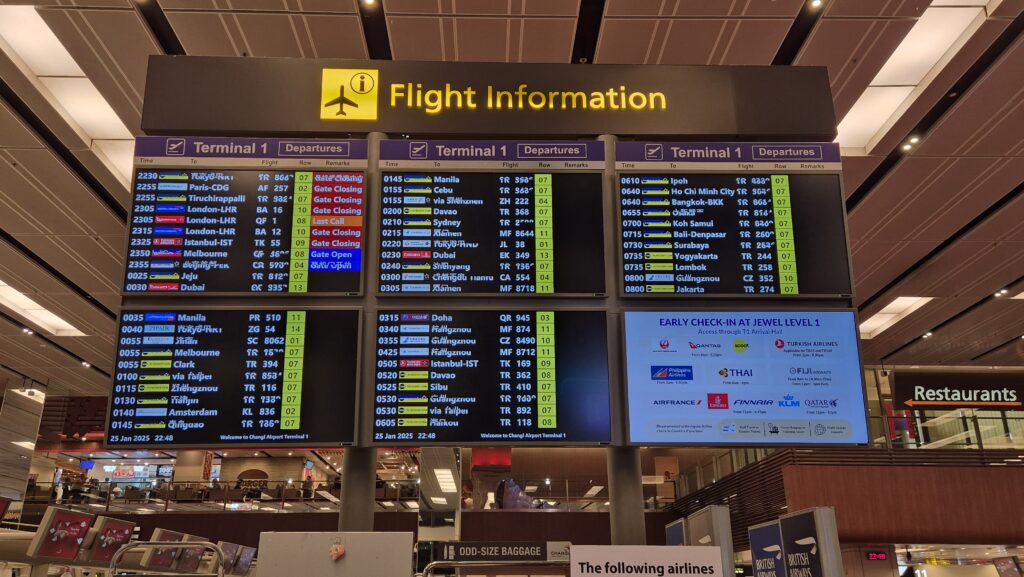
Our flight was scheduled for 0220h. We checked in our luggage ahead of time and had supper before boarding.
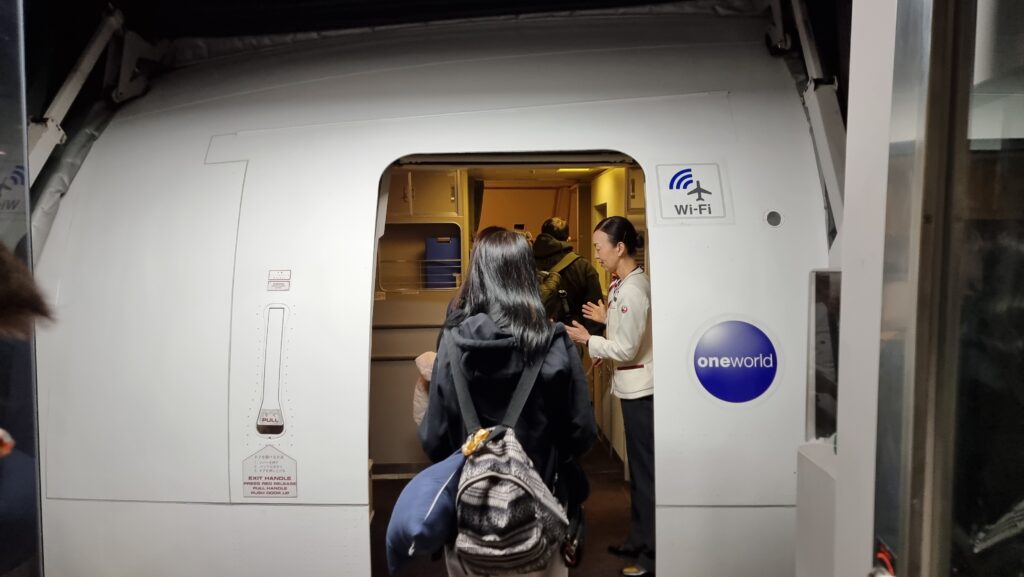
Since we are heading to Japan, what better way than to fly Japan Airlines?

The flight was almost fully booked.
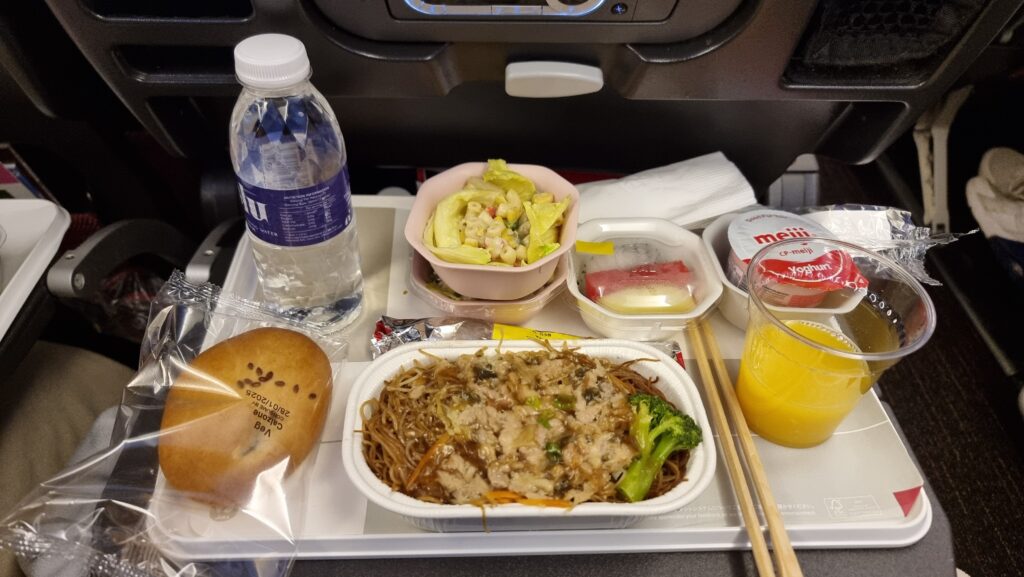
Breakfast was served before reaching Tokyo. For this flight, it was chicken noodle.


After a 7-hour flight, we arrived at Haneda Airport.


We will be taking the Keikyu Line to Tokyo.
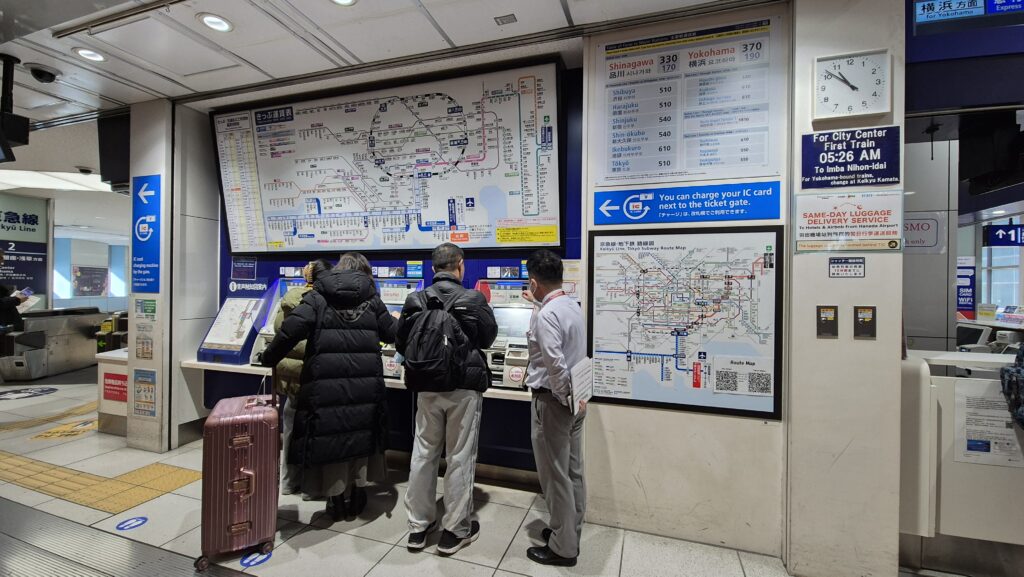
The first order of the day was to purchase the Welcome Suica Card from the machine.
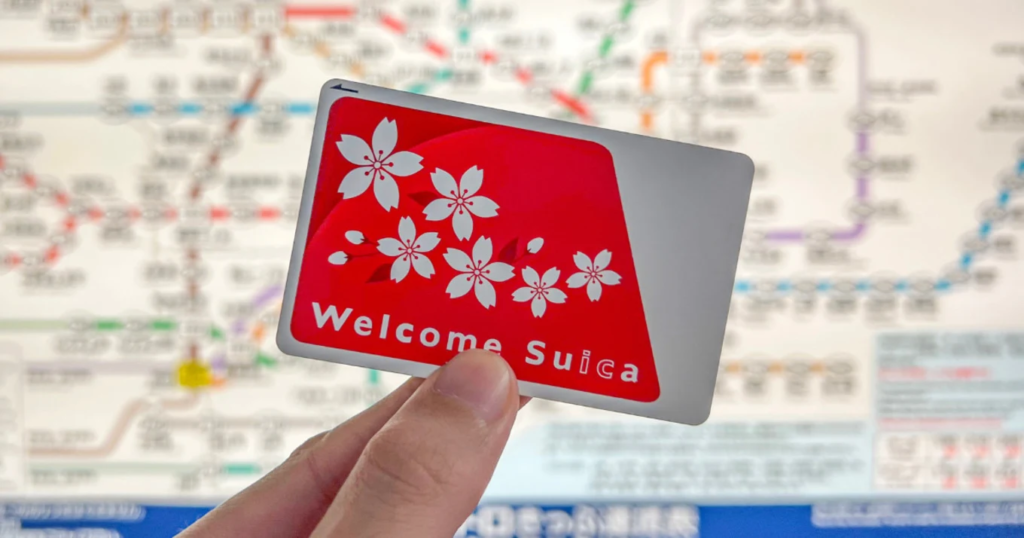
The Welcome Suica is a prepaid IC card designed especially for short-term visitors to Japan. It works just like a regular Suica card — you can use it to ride trains, subways, and buses around Tokyo and other major cities, and even to pay for shopping or snacks at convenience stores and vending machines.
Unlike the standard Suica, the Welcome Suica is valid for 28 days, requires no deposit, and can be easily picked up at major airports and train stations. Just load money onto the card, tap and go — no tickets, no fuss, no language barrier.
Suica and PASMO cards are once again available for purchase in Japan since March 2025.
- Starting March 1, 2025, unregistered (anonymous) Suica and PASMO cards resumed nationwide sales after a hiatus caused by the global semiconductor shortage. These standard physical IC cards, easily rechargeable and usable for transport and e-money needs, are now sold again at ticket machines and counters.
- For international visitors, the Welcome Suica card remains available as before — you can buy it at major airports (Narita, Haneda) and JR East stations. Moreover, the Welcome Suica Mobile app launched on March 6, 2025, allowing iPhone and Apple Watch users to use digital IC cards with extended validity.

After purchasing the basic card, I had to load money into the card with cash.

We were treated to the forward view of the metro line during the journey towards Tokyo.
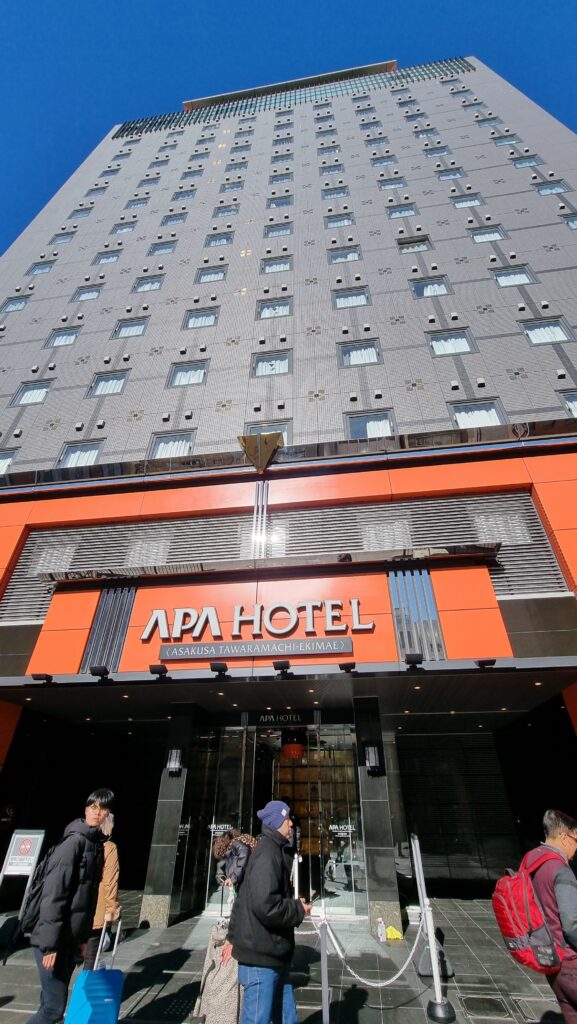
We would be staying at APA Hotel Asakusa for the next 3 nights. This hotel provides breakfast and allows us to store our luggage before check-in time. Further to that, the hotel is near many attractions in the Asakusa area.

As we walked around the neighbourhood, we spotted this Japanese restaurant and decided to have lunch here.

As with many restaurants in Japan, we had to order our food from a vending machine and hand the food voucher/ticket to the waiter. An improvement is that the vending machine accepts credit card payments too.

We had sashimi on rice.
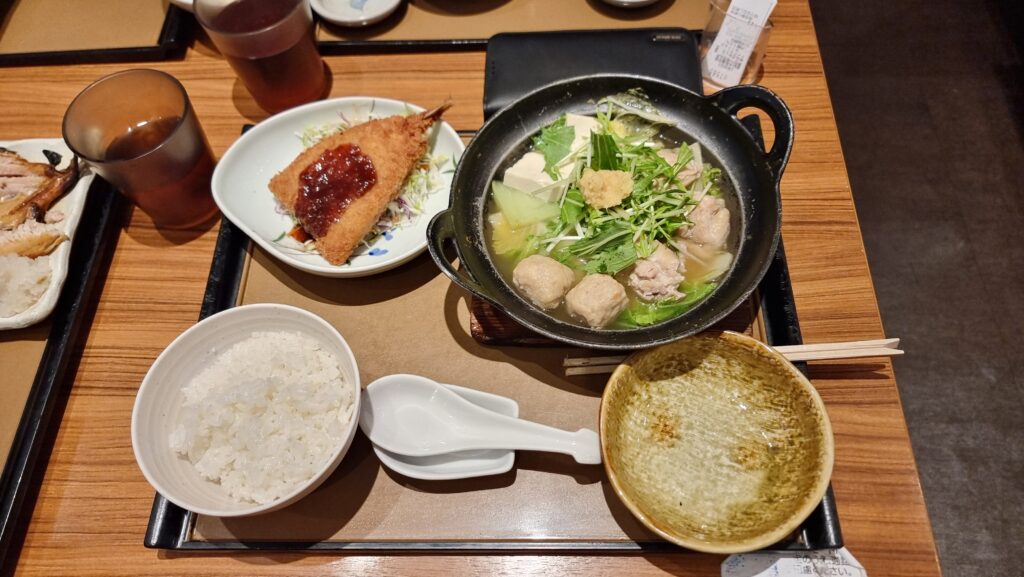
Chicken soup with fried white fish.
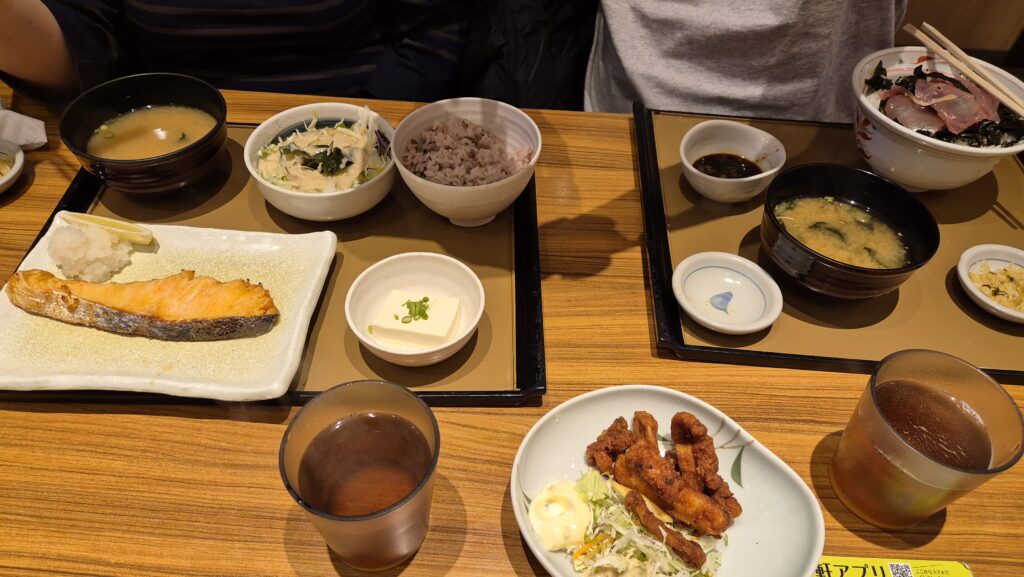
Grilled Salmon with rice.
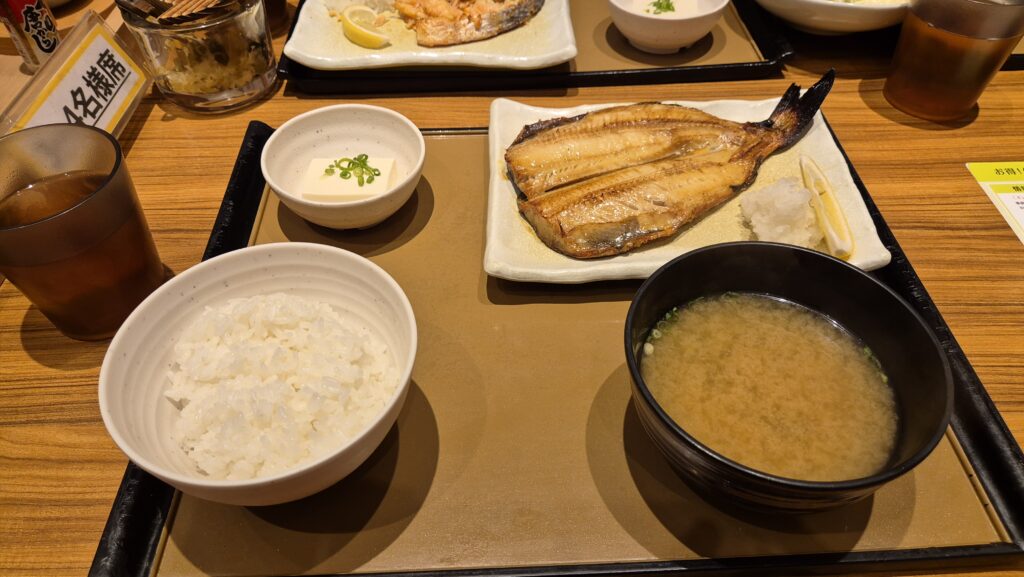
Grilled whole fish with rice. They were all delicious and fairly priced.
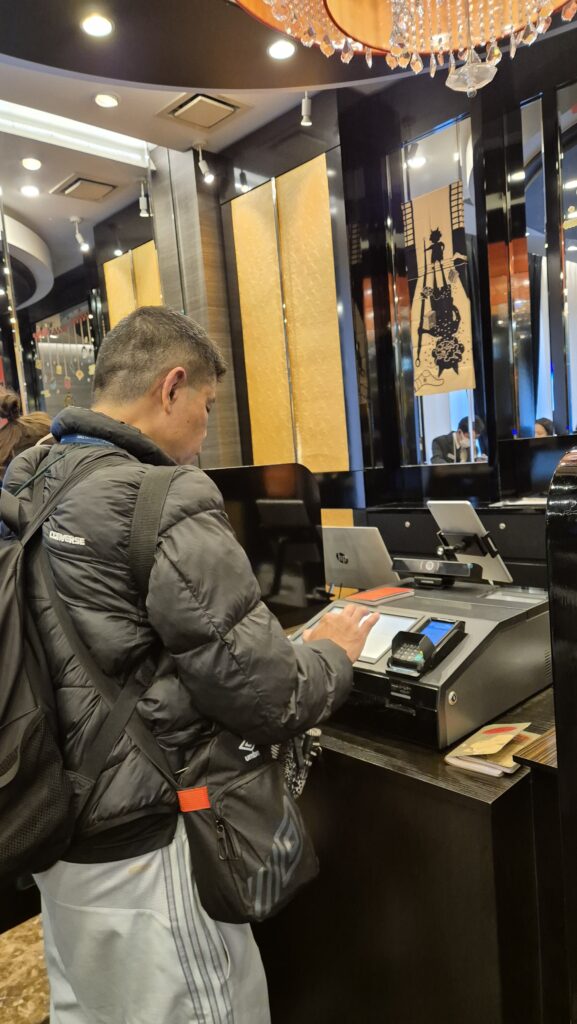
After lunch, we check into the hotel with the automated machine. Many hotels have these nowadays, and they come in many languages. If you are unsure, you can always enlist the help of the hotel staff.

Hotel rooms in Tokyo are about 15-18 square meters for a double room.

And come with a small but functional plastic bathroom cubicle.
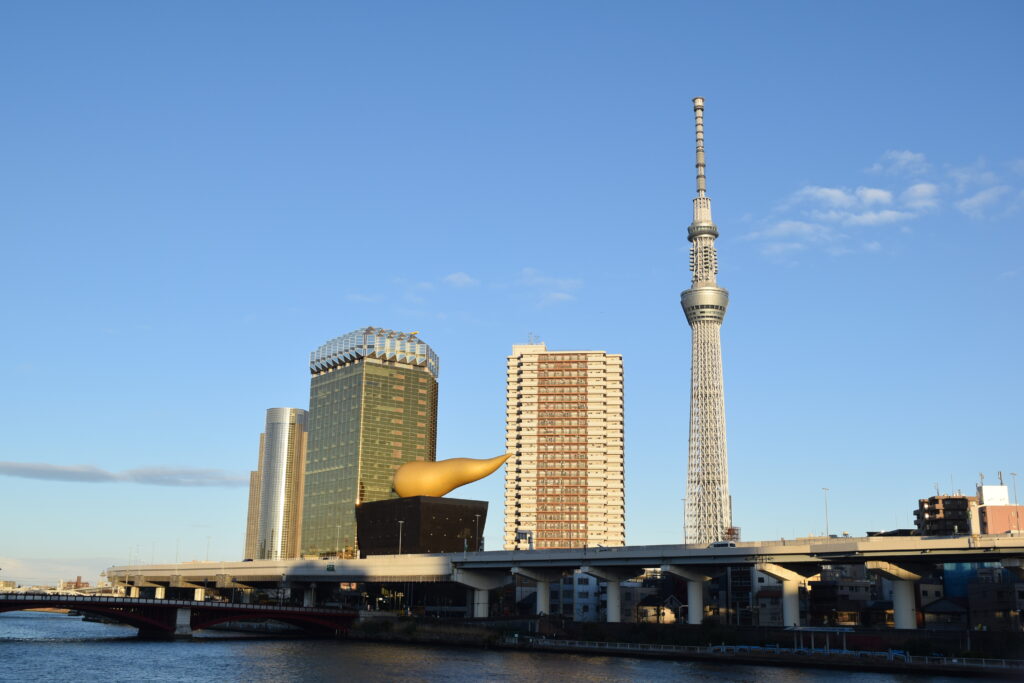
From our hotel, it was just a short walk to the Sumida River Area. Here, we had a clear view of the Asahi Beer Headquarters and the Tokyo Skytree.
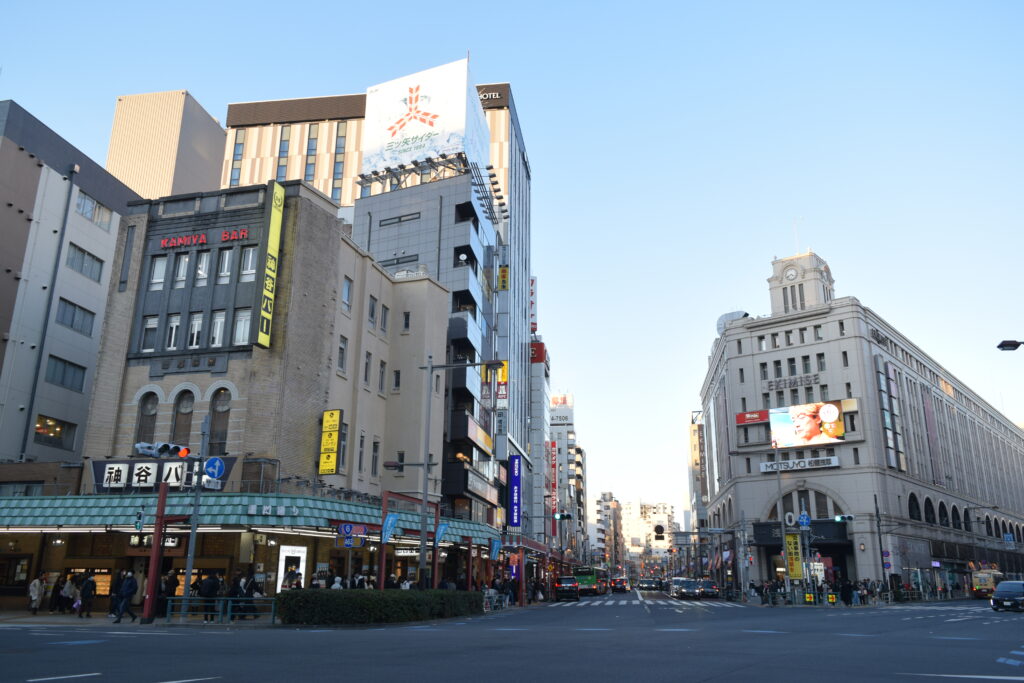

As the evening approached, the streets became alive with people.

For those who would like to have a bird’s eye view of the Asakusa area, you should visit the Asakusa Culture Tourist Information Center and take the lift to the 7th floor.

We were rewarded with this view. Best of all, it’s FREE.

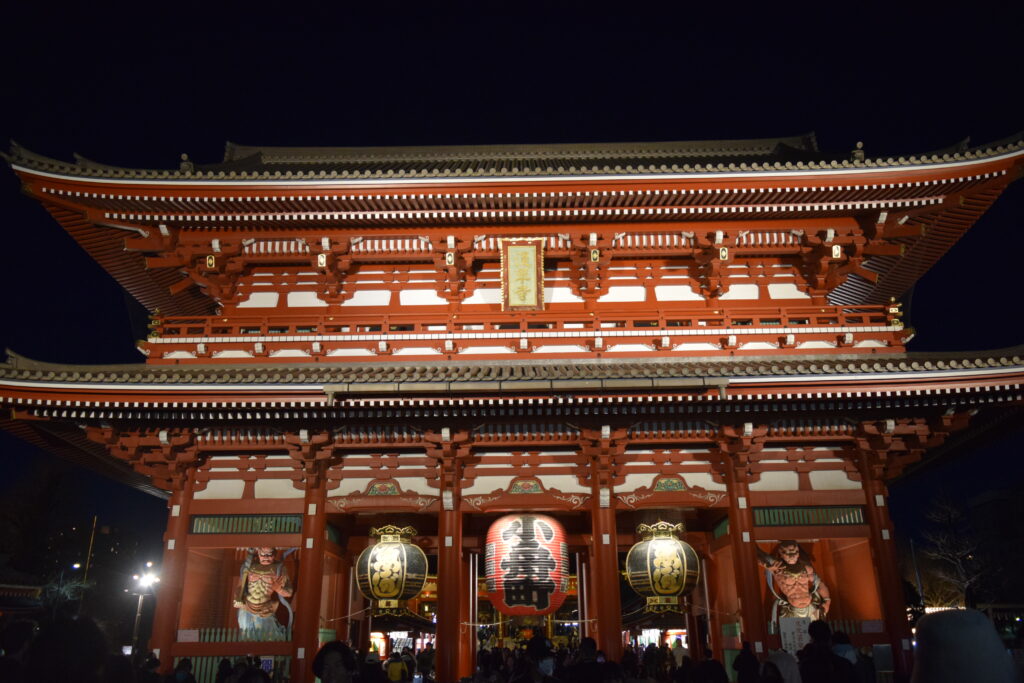
Next, we walked over to the Kaminarimon Gate.

A close-up of the famous Red Lantern.

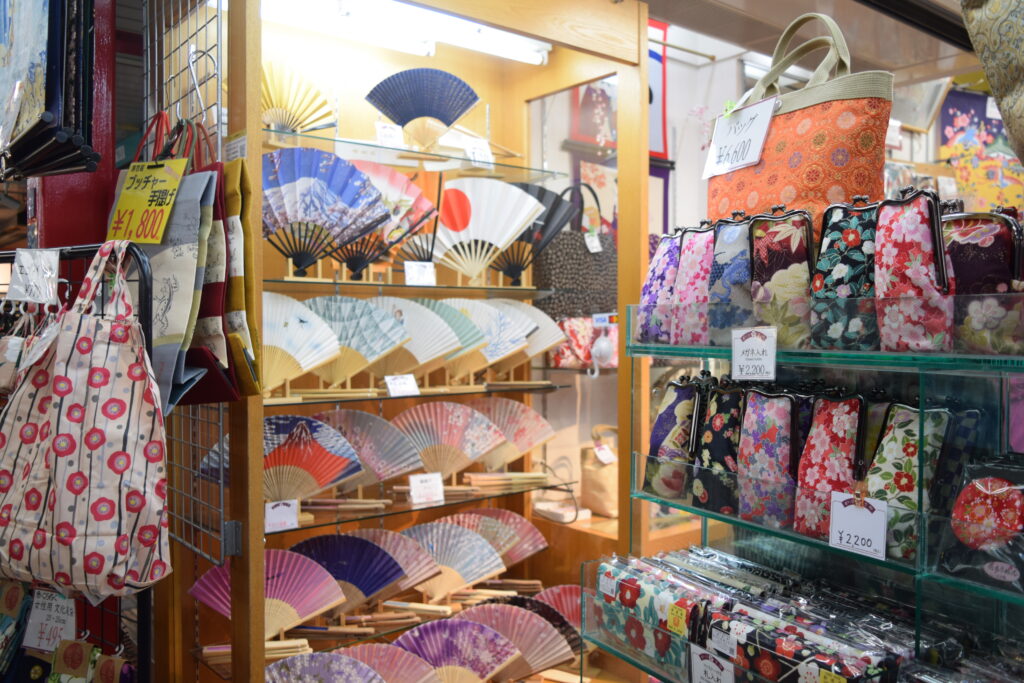
The Nakamise Shopping Street was packed with people and shops selling all forms of souvenirs and food.
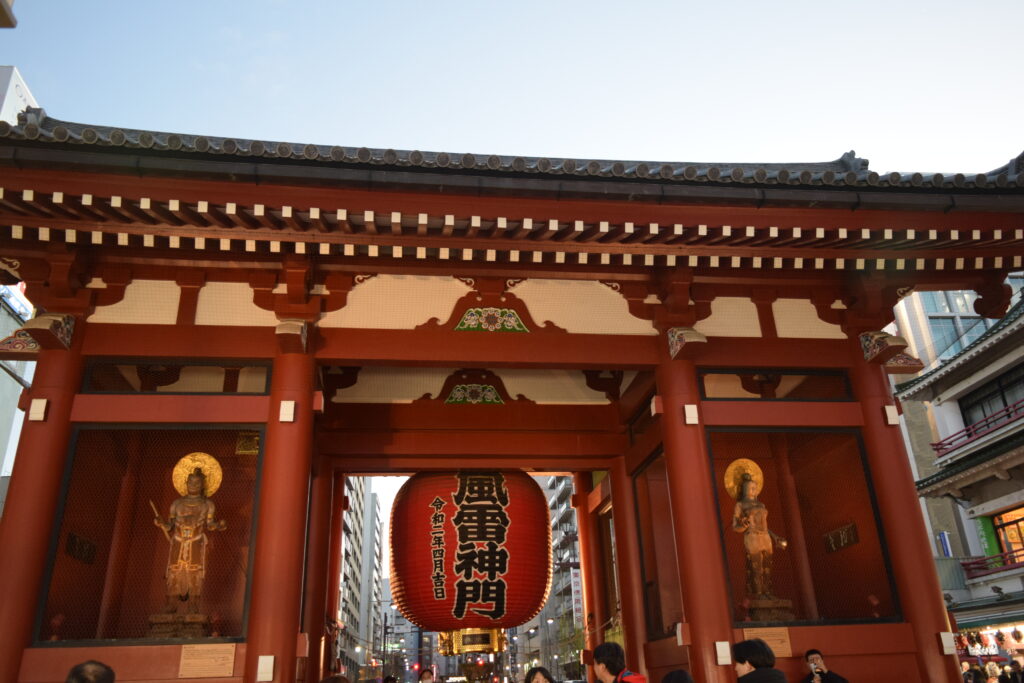
The Lantern on the other side of the shopping street.
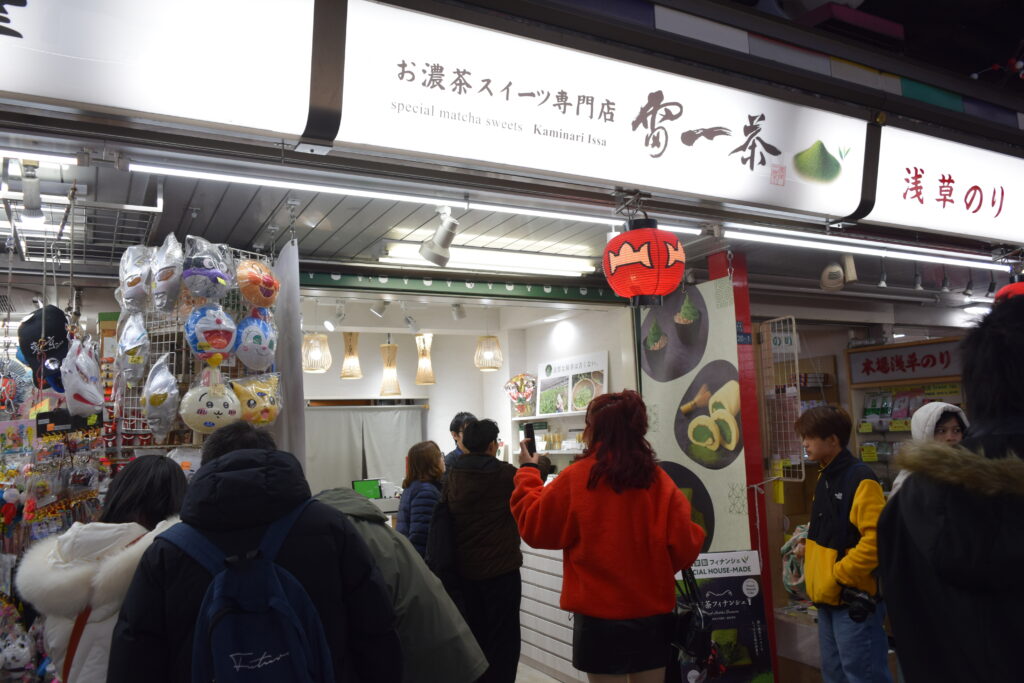

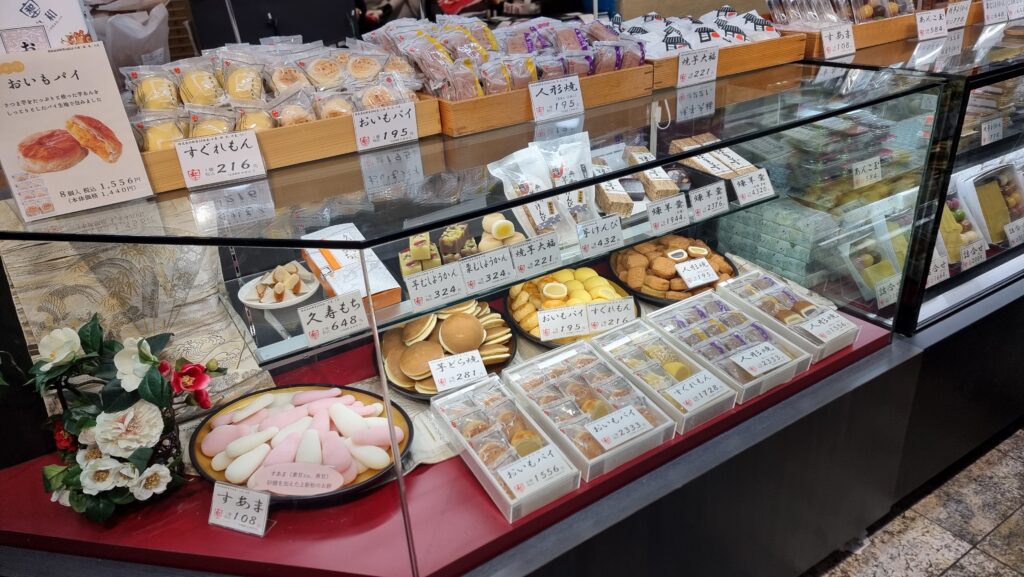
A very popular snack here.
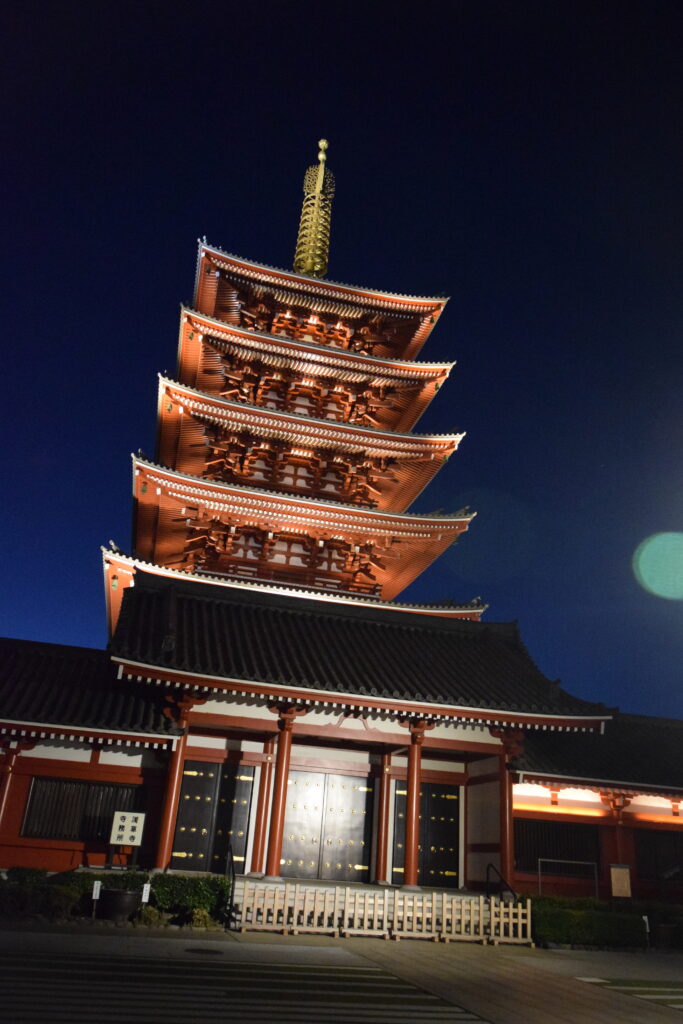

The popular Sensō-ji Temple.

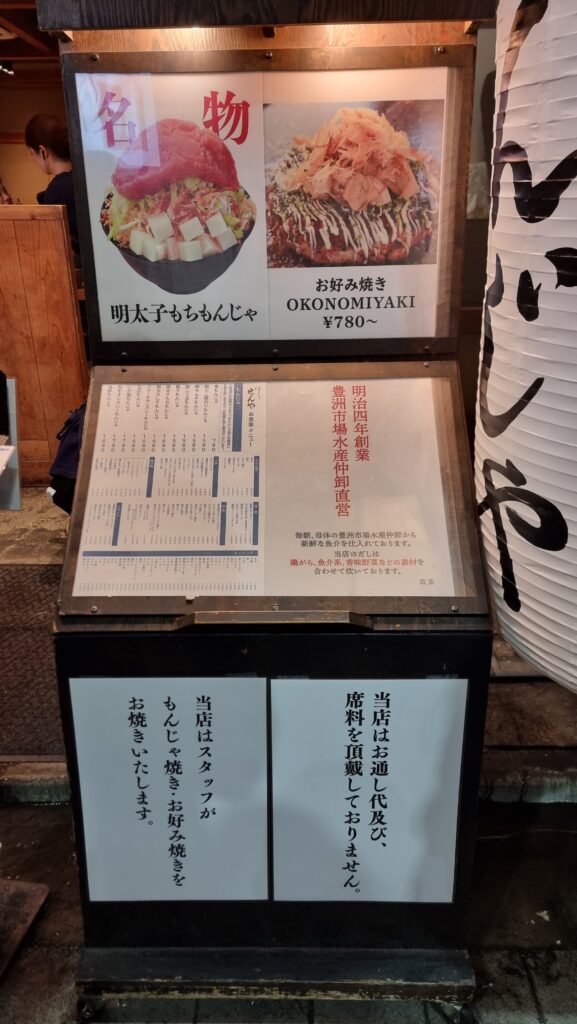
For dinner, we decided to try out this popular Okonomiyaki Restaurant.

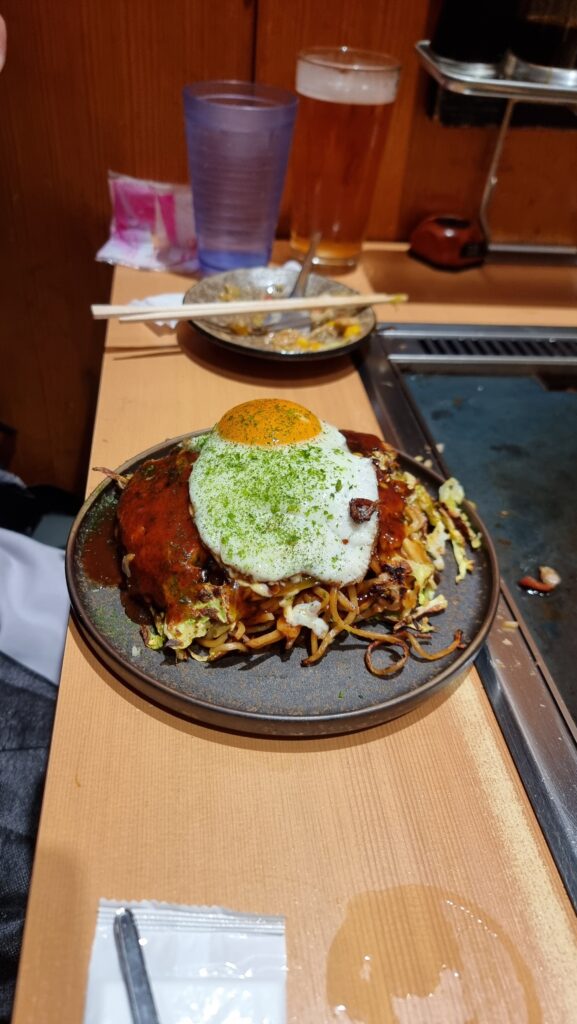
We tried out both the Okonomiyaki and Monjayaki.
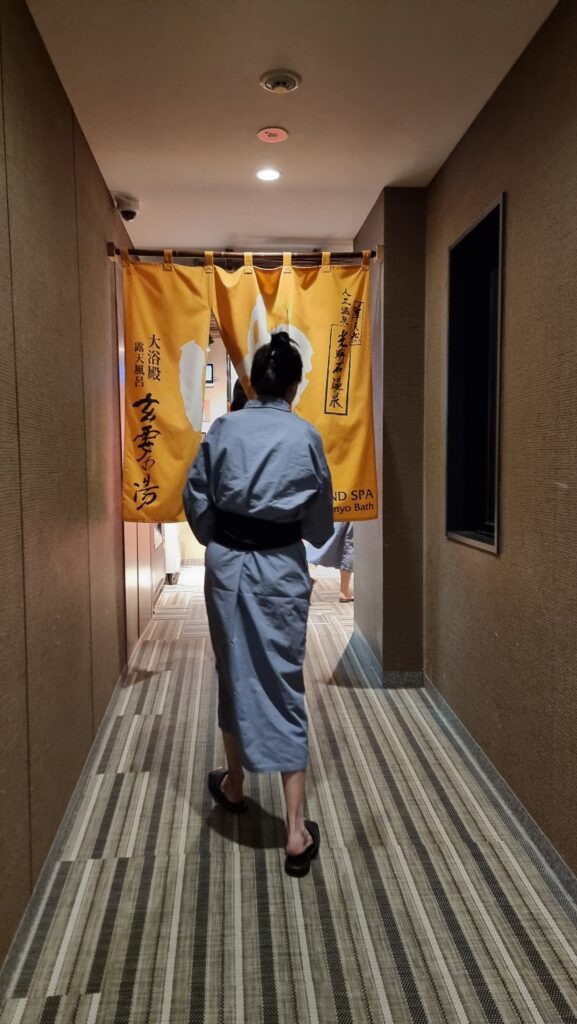
Time for an Onsen before heading to bed.
DAY 2
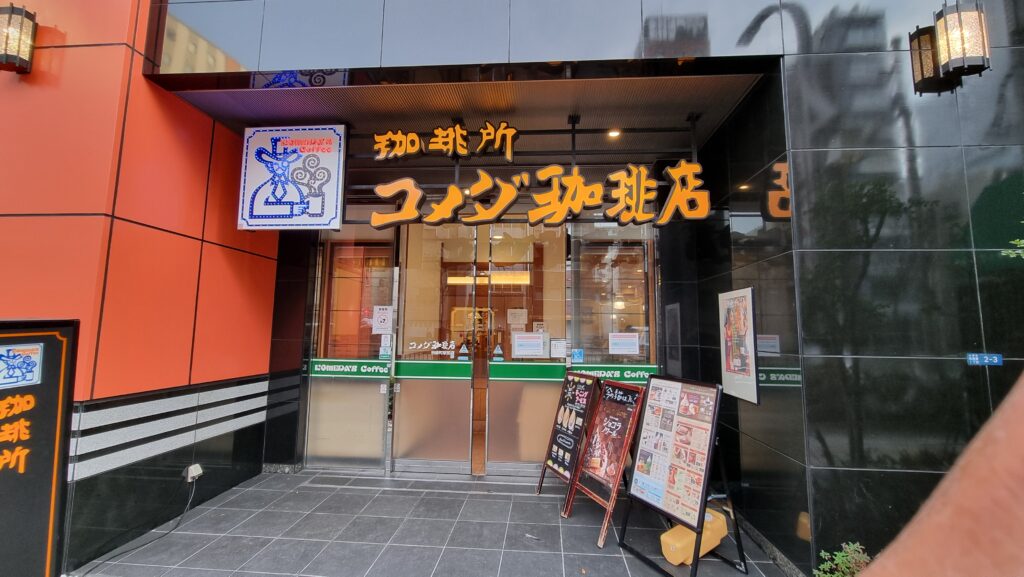
In the morning, breakfast was served at Komeda’s Coffee located within the hotel.
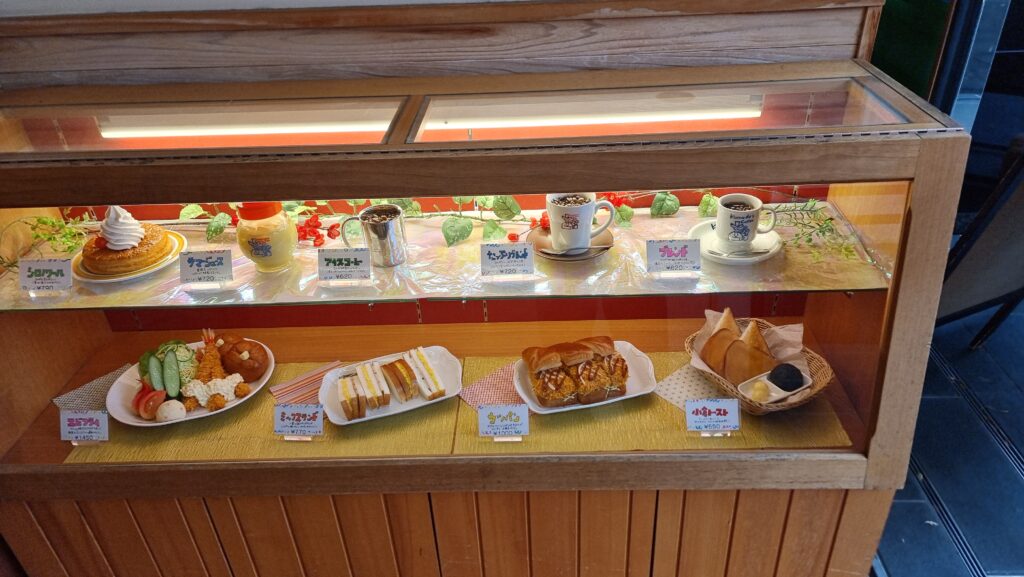
Foods that are available at the Coffee House.
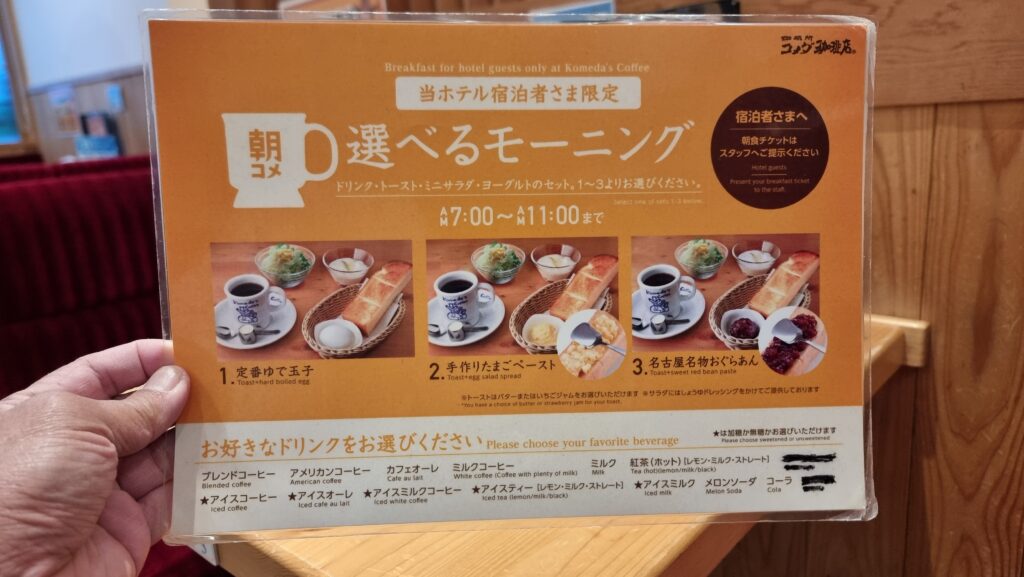
However, the breakfast that came with the hotel booking was on a separate menu.
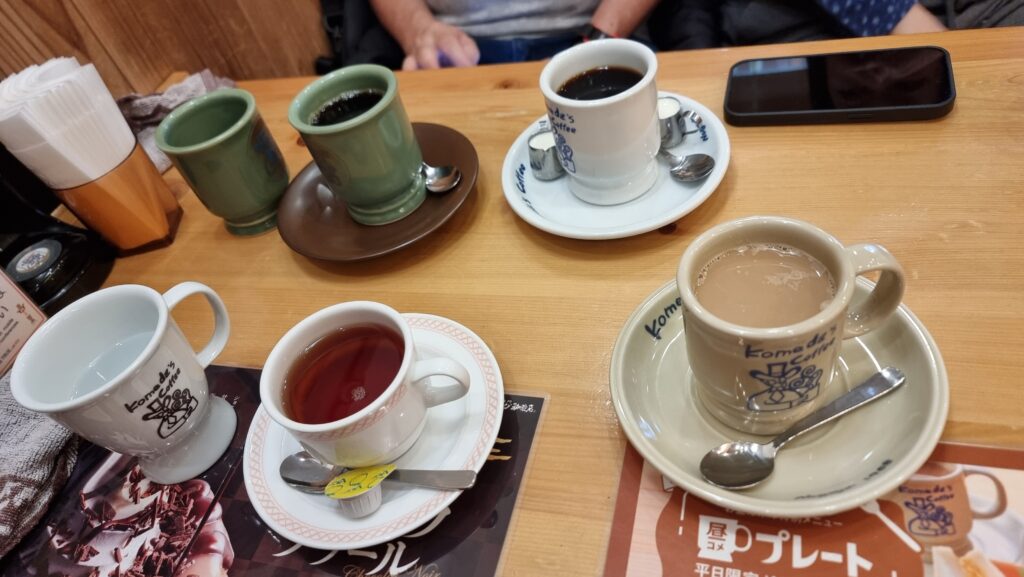
They are Toast set with coffee or tea.

Toast with red bean.
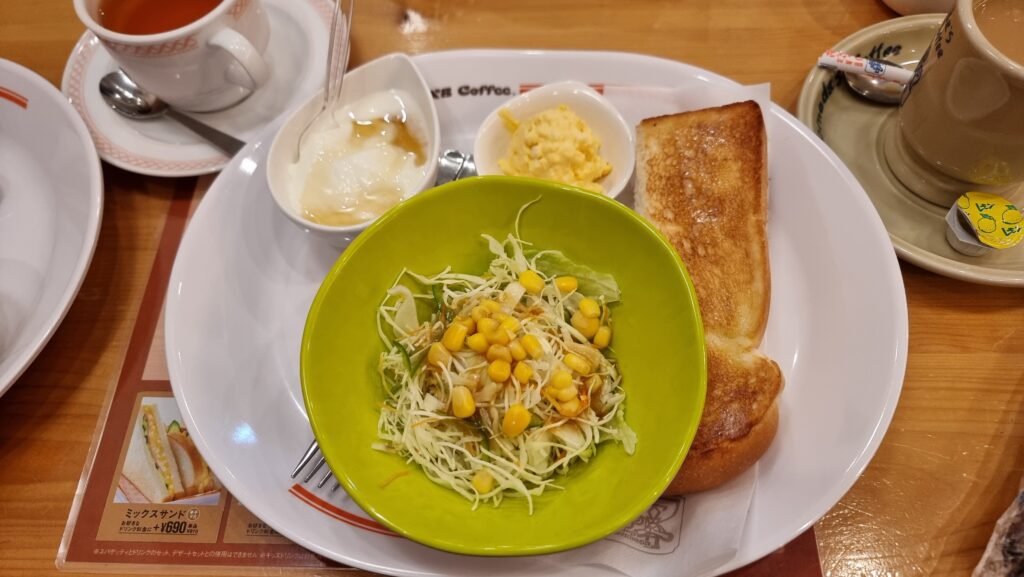
Toast with Egg Mayo.
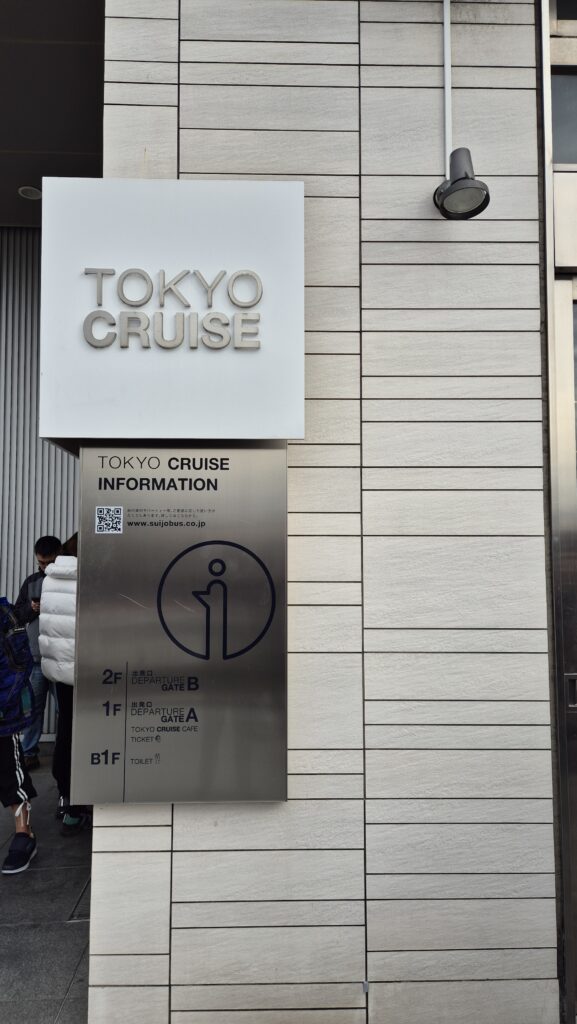
Our first destination was to take the ferry from Asakusa to Odaiba Seaside Park. We walked to the Tokyo Cruise Ship Asakusa office. Remember to book the Cruise tickets in advance. Those with reservations were allowed to enter the waiting area first when it opened.

The cruise ship allocated today was the Emeraldas. This is the route we will be travelling, and the whole journey will take 55 minutes and cost 2000 yen.

When it’s time, we followed the instructions of the crew and boarded the spaceship-like ship.
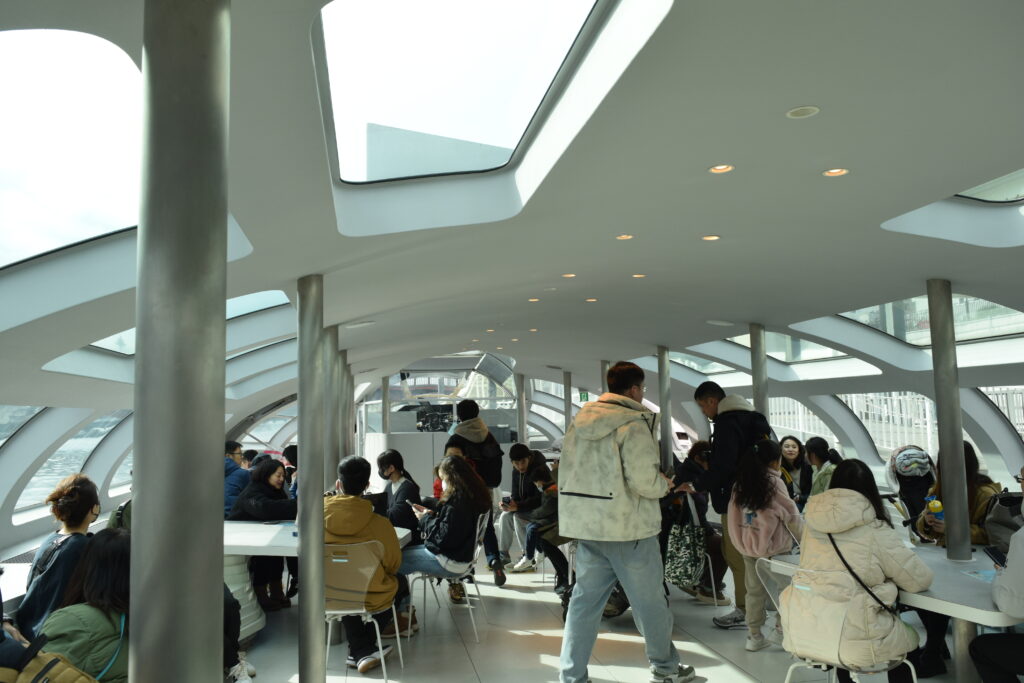
The ship is mostly free seating with a few reserved seats.

The cockpit of the ship.
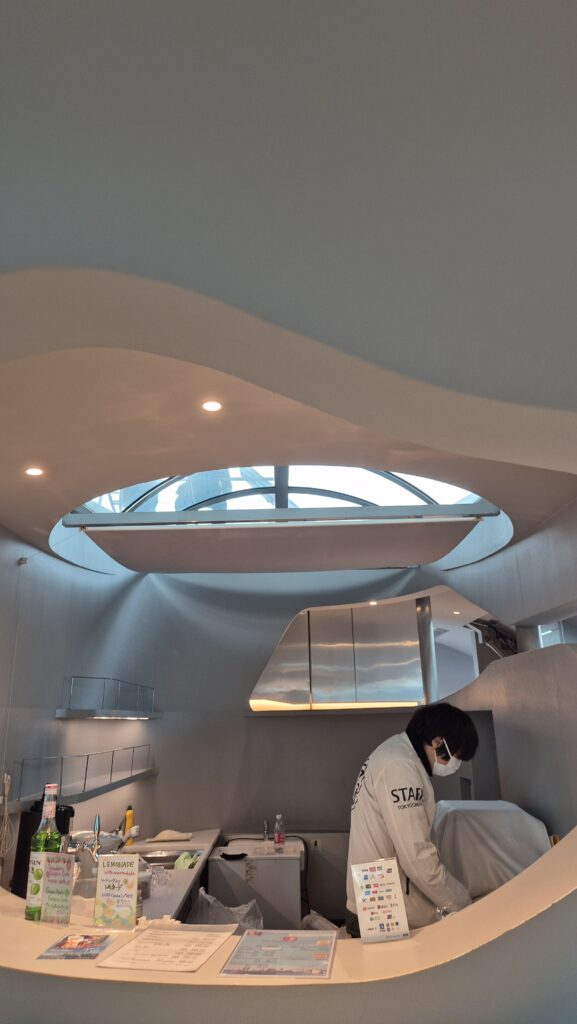
It has an on-board cafe that sells drinks and light snacks.

After about 10-15 minutes into the journey and clearing all the low-lying bridges, we were allowed onto the open top side. We were treated to the seaside view of the Sumida River.

The famous Fuji TV Building, as we approached the Tokyo Cruise Odaiba jetty.

The full view of Tokyo Cruise Emeraldas.
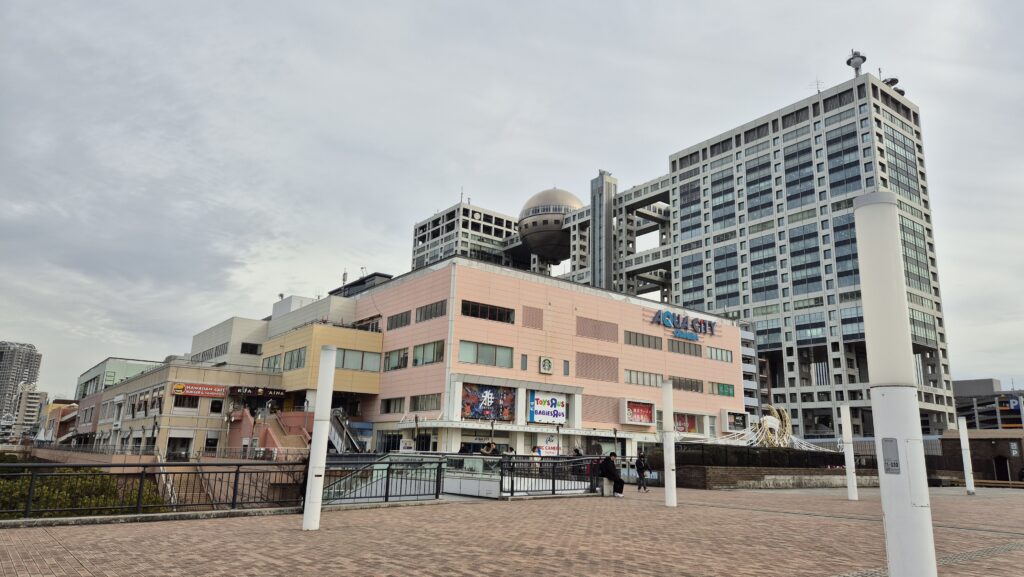
Odaiba Seaside Park is a scenic waterfront destination in Tokyo’s futuristic Odaiba district, offering a refreshing blend of urban views and coastal charm. This man-made beach park stretches along Tokyo Bay, providing visitors with open spaces to relax, stroll, or soak in the breezy seaside atmosphere. From its sandy promenade, you can enjoy stunning views of the Rainbow Bridge, Tokyo Tower, and the city skyline—especially magical at sunset when the lights reflect off the water.


The park is a favorite spot for couples, families, and photographers alike. Its calm setting makes it perfect for picnics, casual cycling, and even small water activities like paddleboarding. Adding to its appeal is the iconic replica of the Statue of Liberty, a popular photo spot that symbolizes Odaiba’s playful, international vibe.
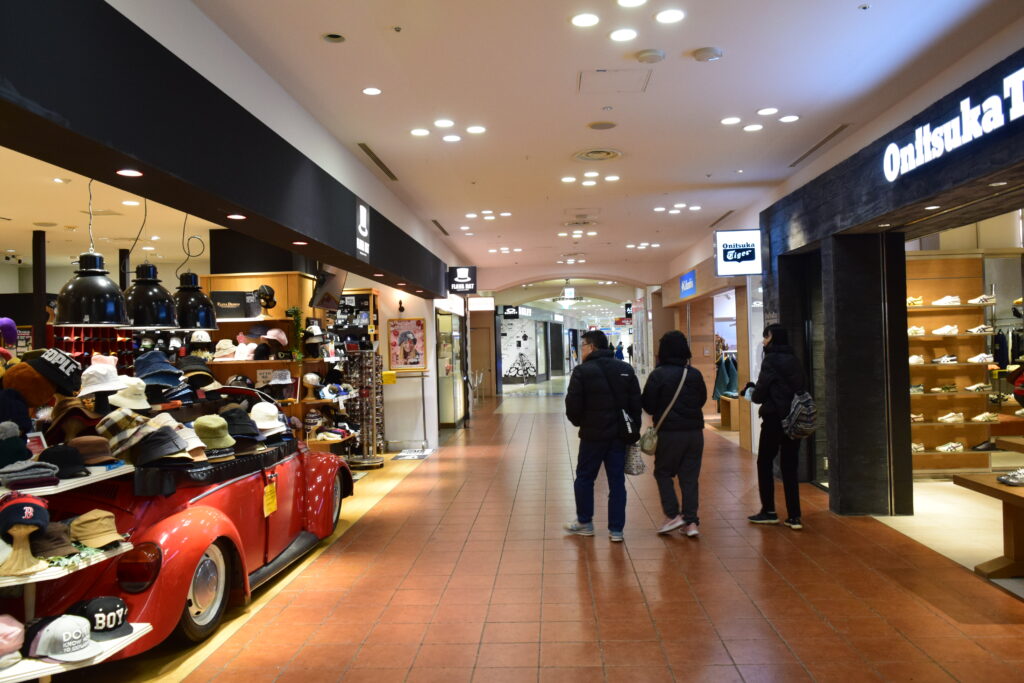
Inside Aqua City, a wide range of fashion boutiques, restaurants serving a variety of cuisines, a cinema complex, and themed attractions are available. Its open-air decks provide some of the best photo spots in Odaiba, making it a perfect place to shop, dine, and relax while enjoying the waterfront atmosphere.

Time for lunch. There are a few restaurants here offering Japanese cuisine.
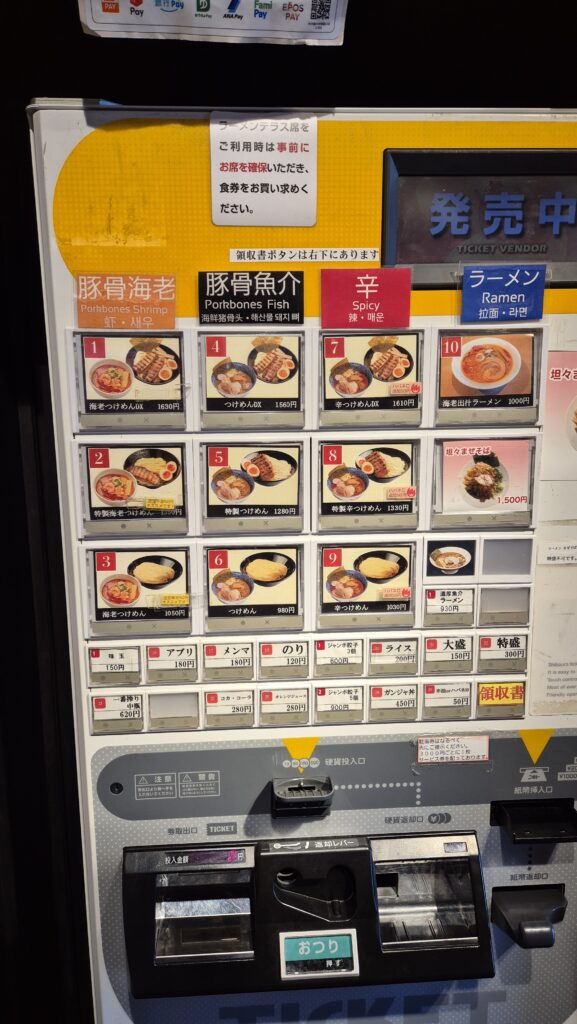
We were going for the dip noodles this time.

The noodle came with a thick piece of Char Siew, an onsen egg, and a hot dip sauce. It was flavorful.

On the rooftop of Aqua City, there is a small shrine where you can take beautiful pictures.
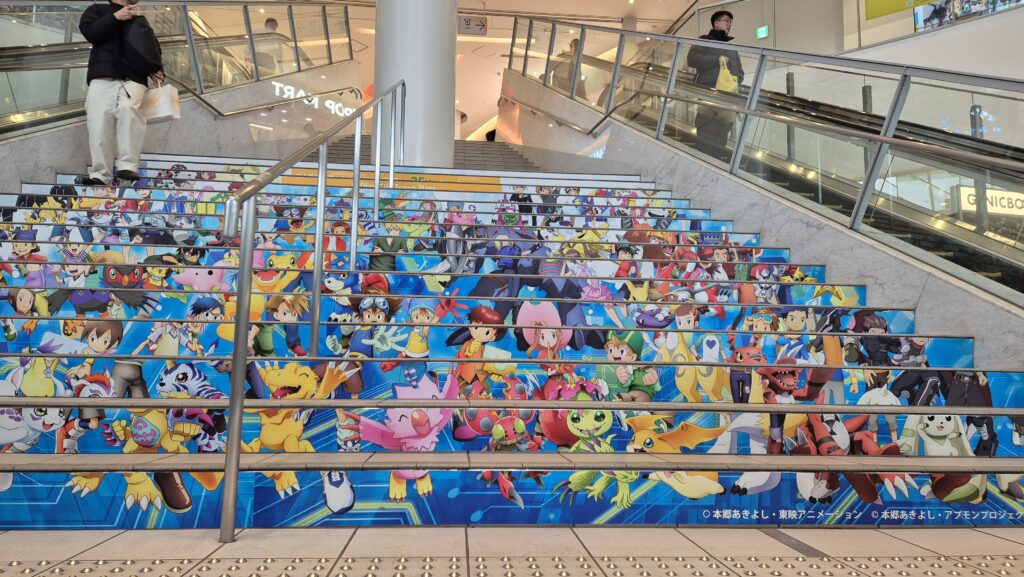
From Aqua City, we walked over to the DiverCity Tokyo Plaza.

There is a Doraemon Futures Departmental Store.

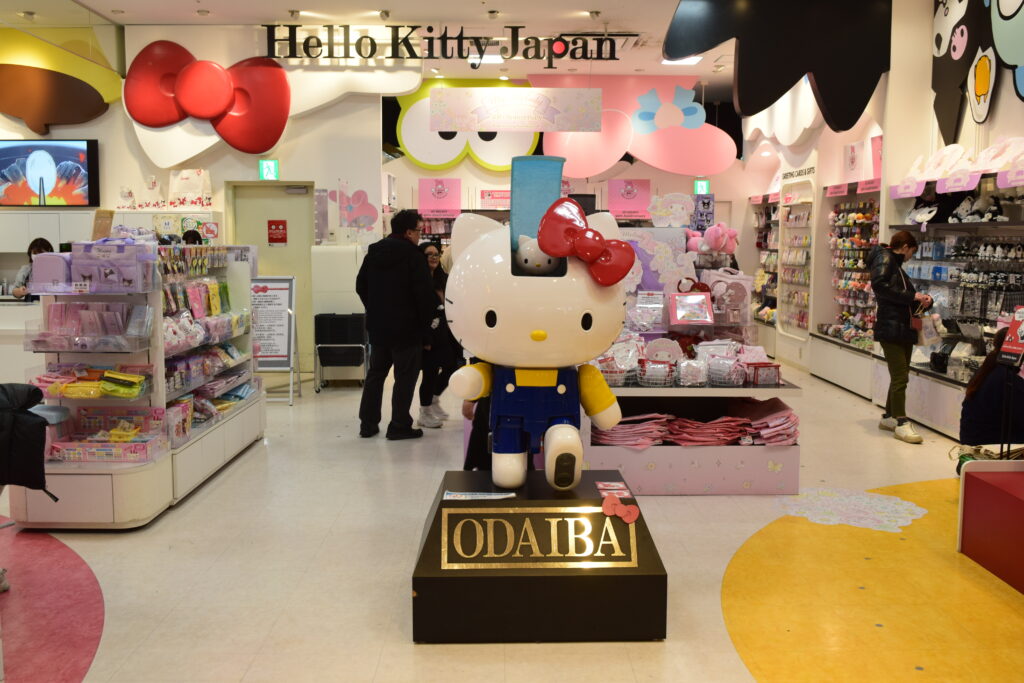
And a Hello Kitty Store here.

Time to head back to Tokyo.
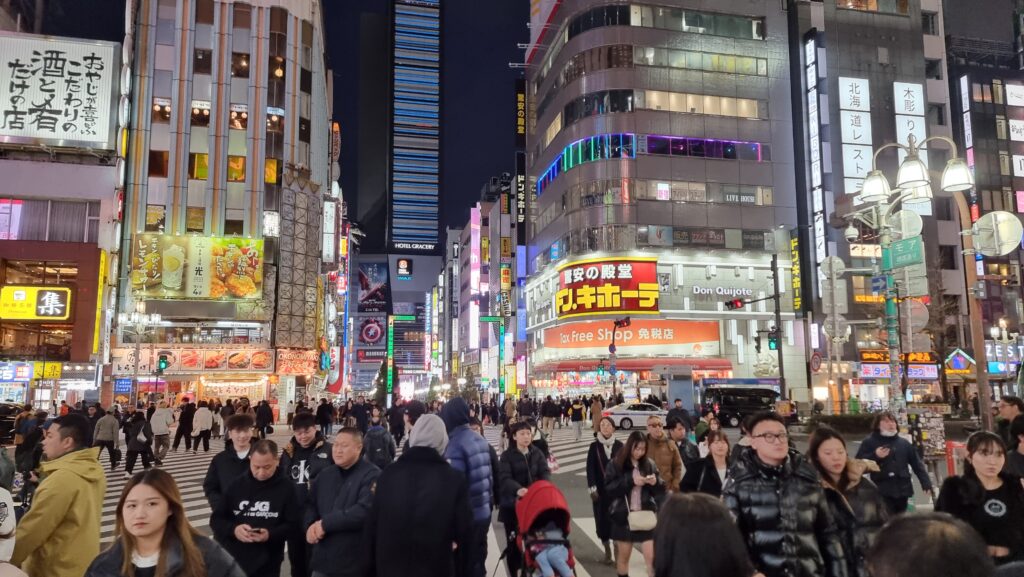
We took the JR metro to Shinjuku.
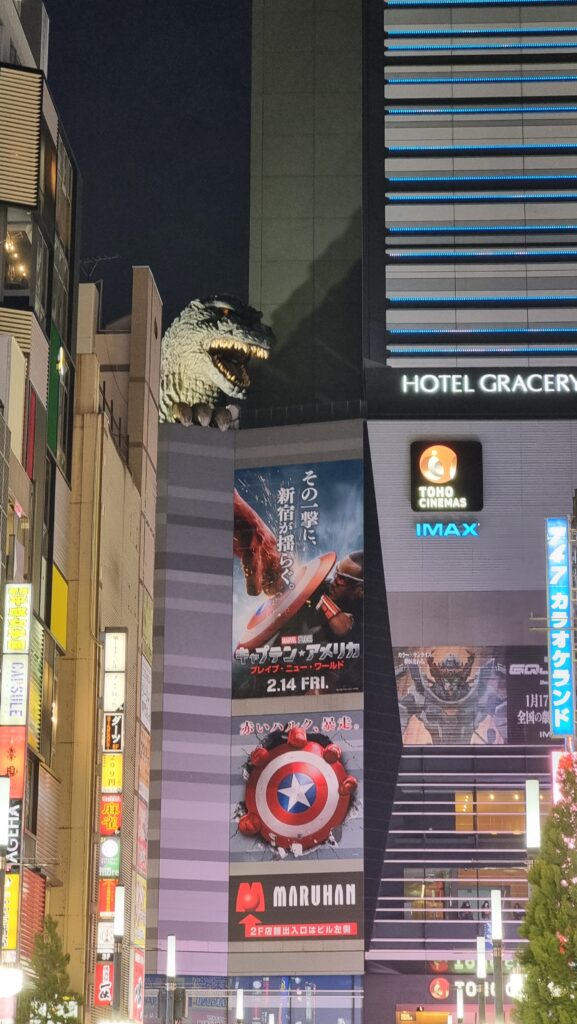
To say hello to the Godzilla head.

We went up to the eighth-floor terrace of the Shinjuku Toho Building, where the Head was located, but it was closed to visitors.

There were some displays available for us to take photos.

For dinner, we chose Japan’s most famous Ramen, Ichiran. As with most outlets, there was a line waiting for their turn.

Our Ramen arrived shortly after we filled out the form stating our preferences. After which, we head back to our hotel to rest.
DAY 3
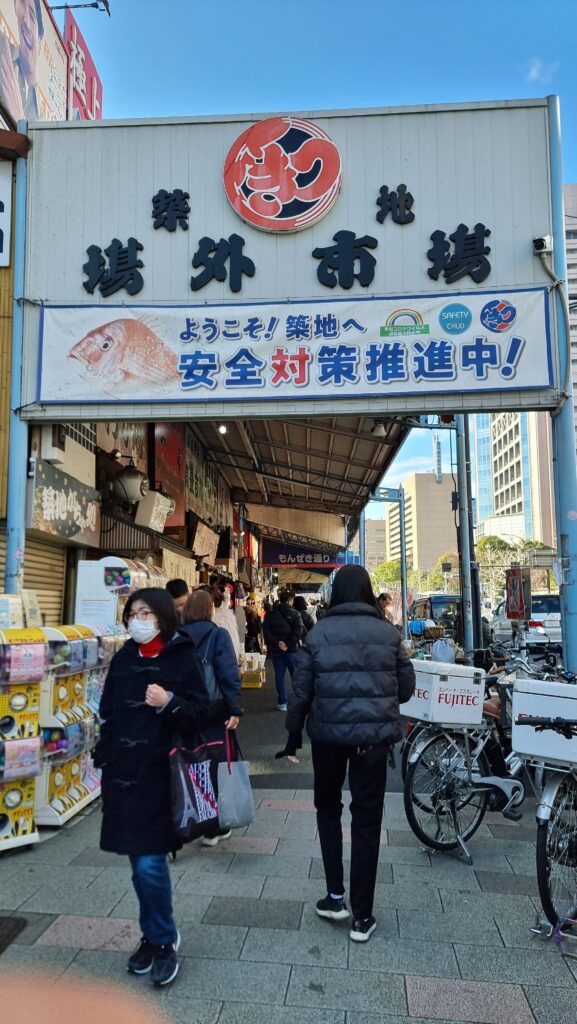
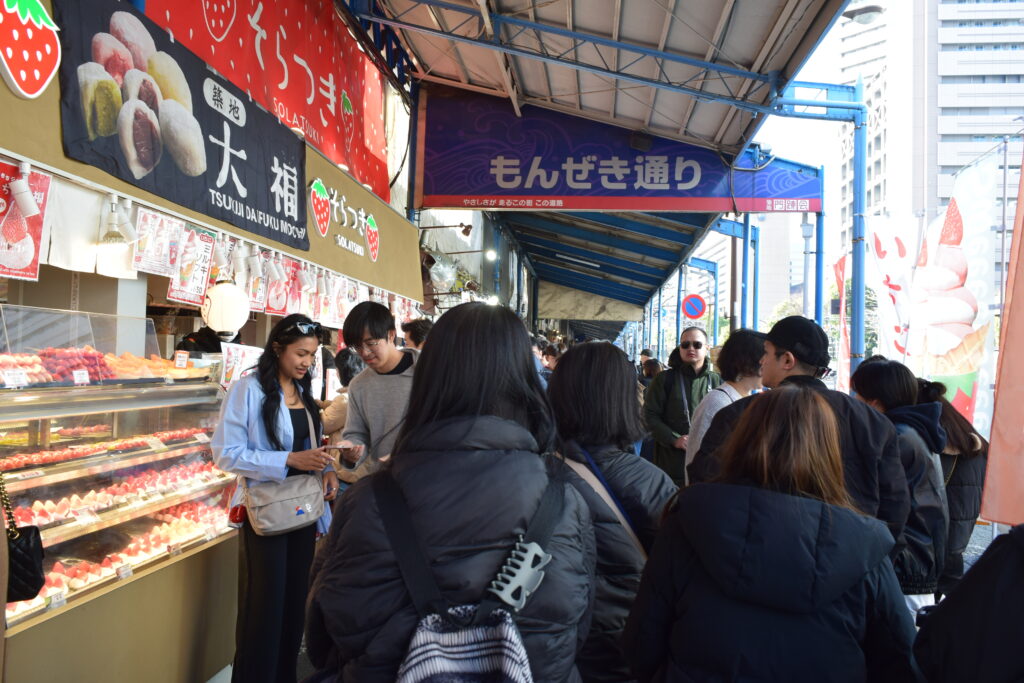
As usual, the place was crowded with locals and visitors.
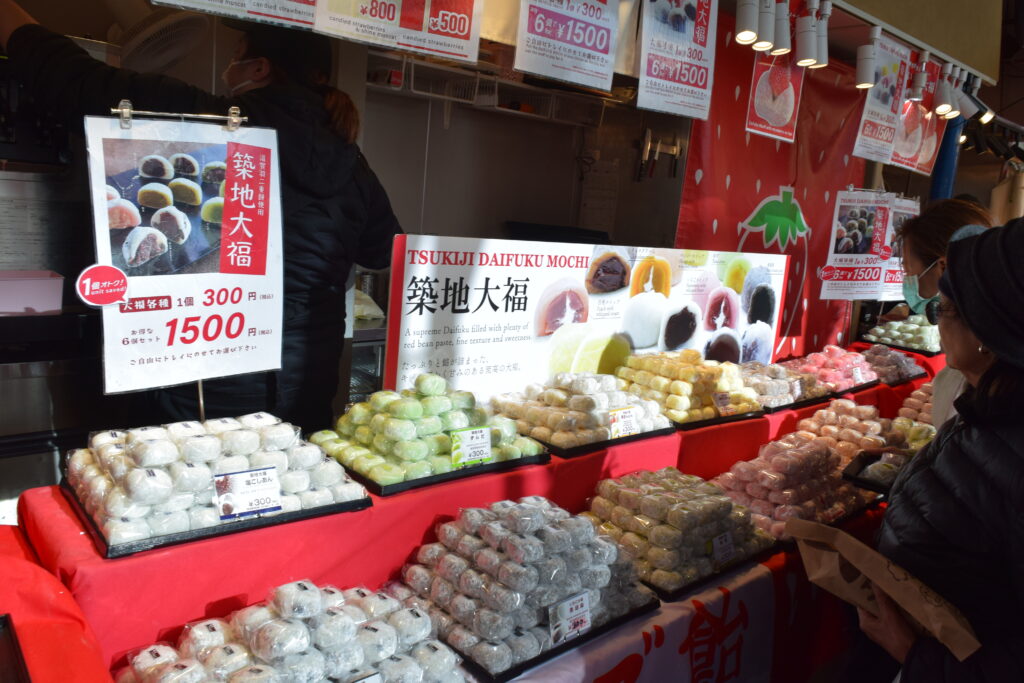
They sell Mochi.

Vegetables.

Eggs
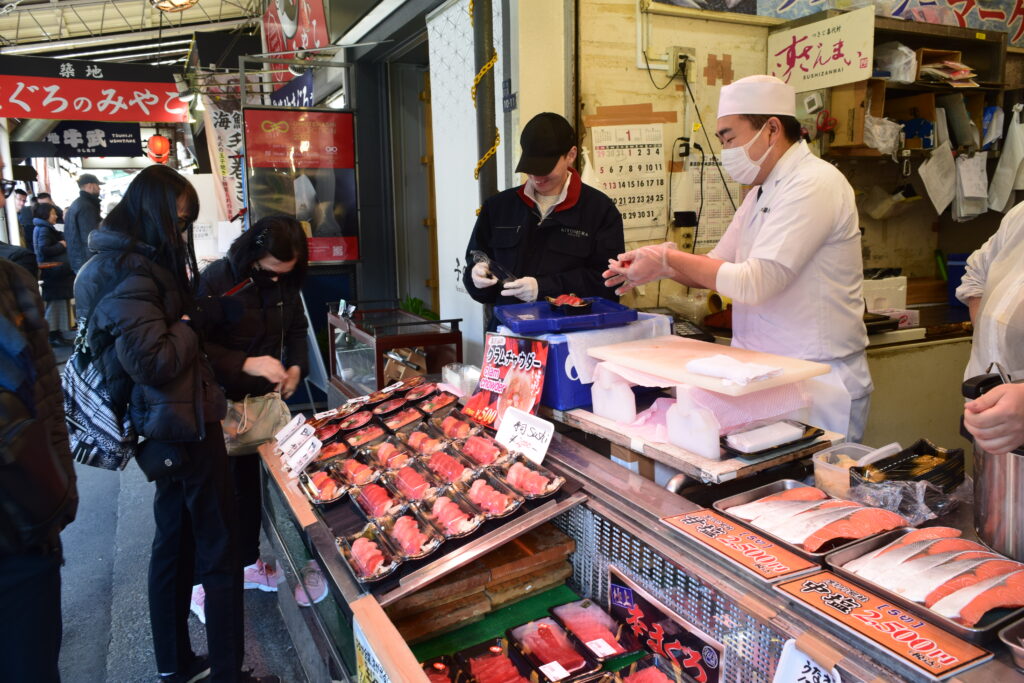
And of course, sashimi here.
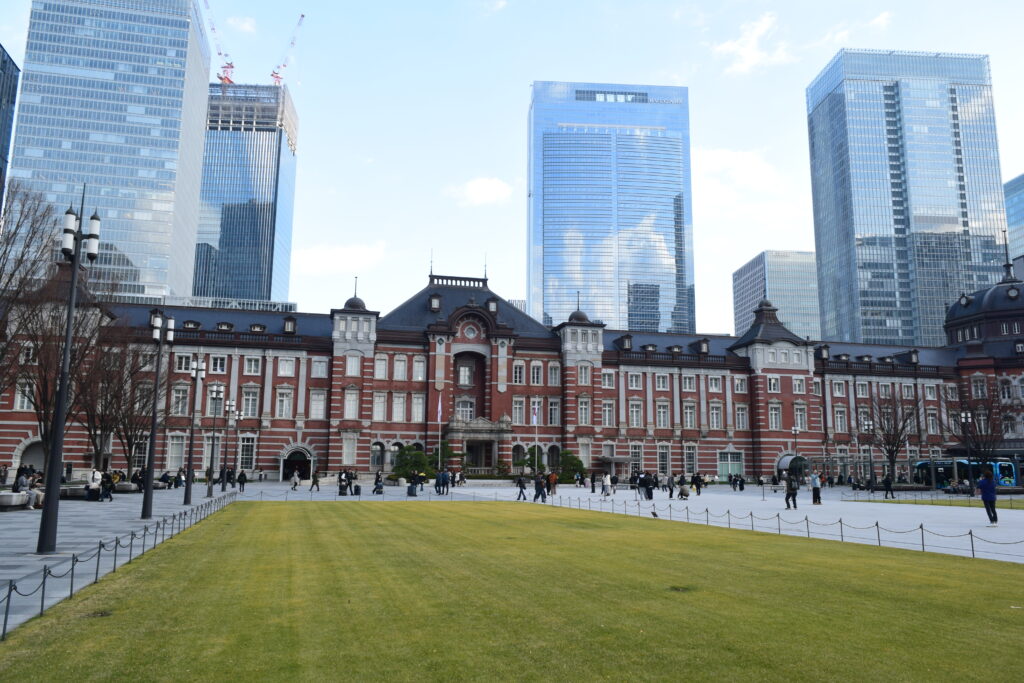
Next, we took the metro to Tokyo Station.

We decided to try out the food here.

We had chickens cooked in different ways.
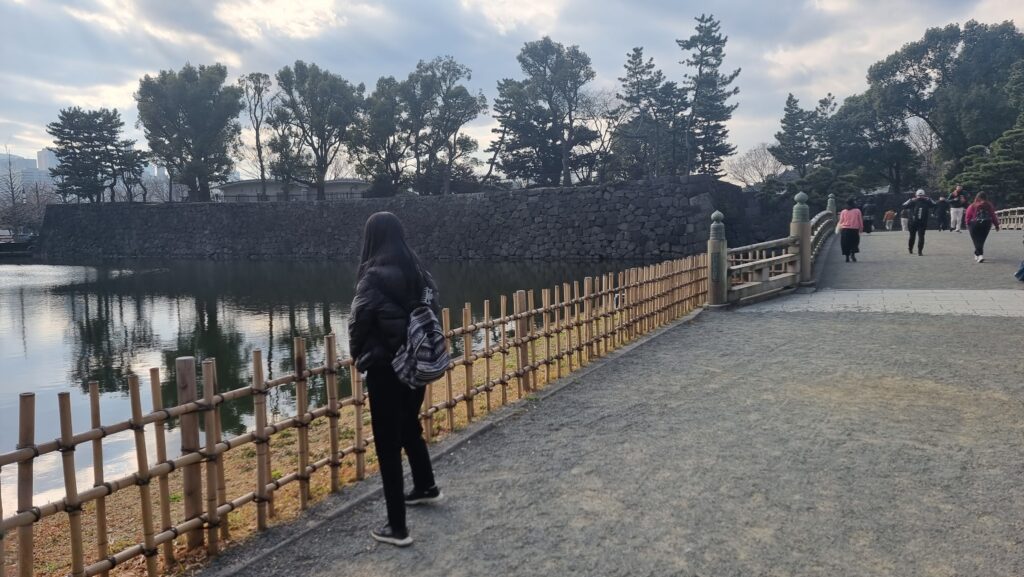
Next, we headed to the Imperial Palace.
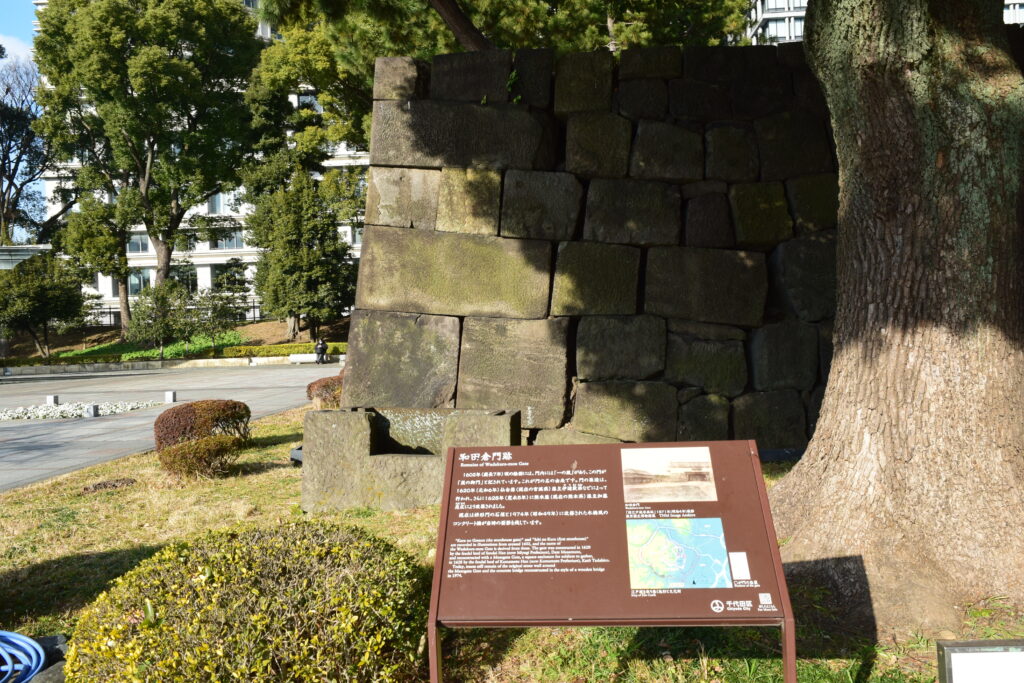
Remains of Wadakura-mon Gate.
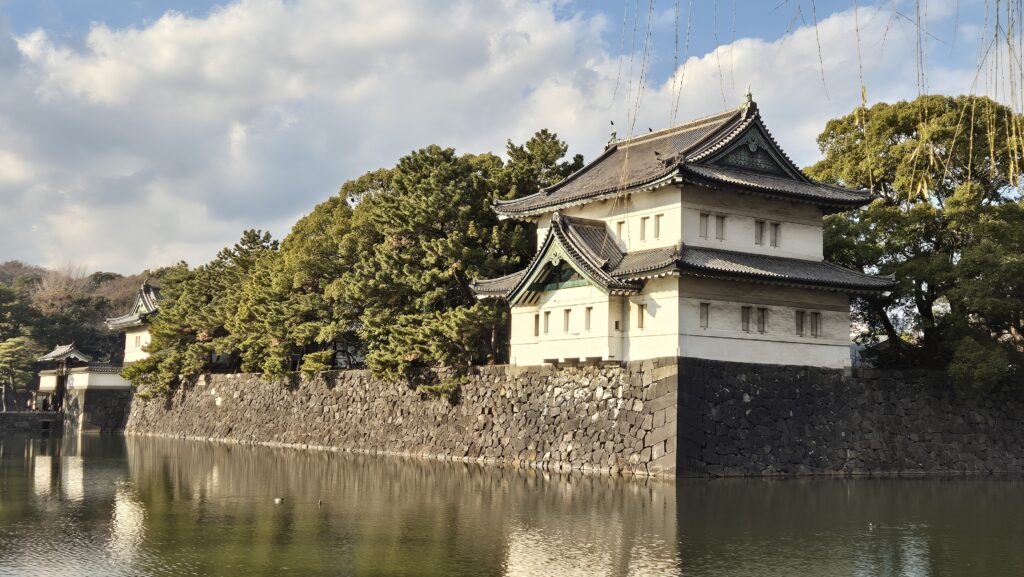
The Imperial Palace.
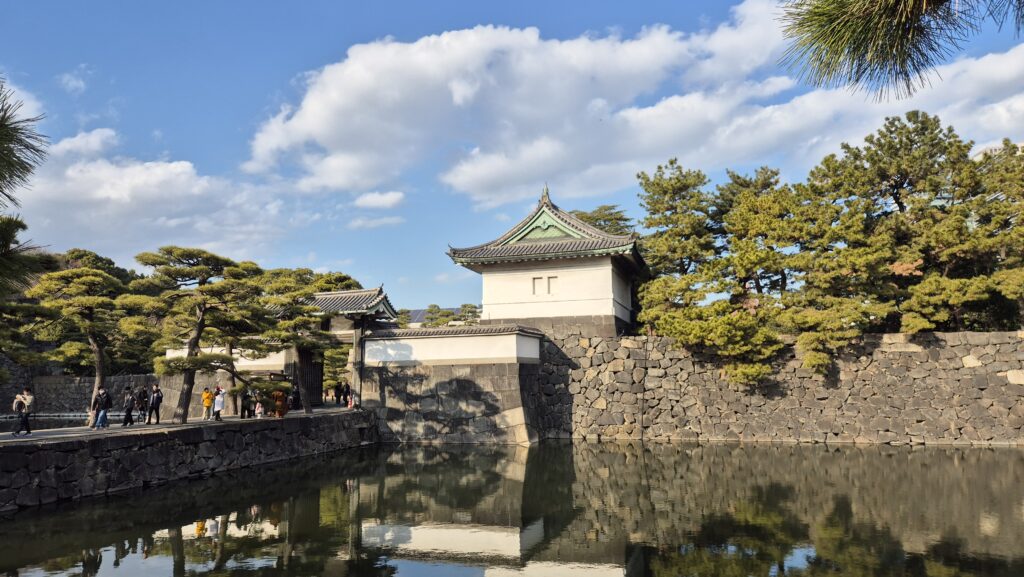

East Garden of the Imperial Palace.

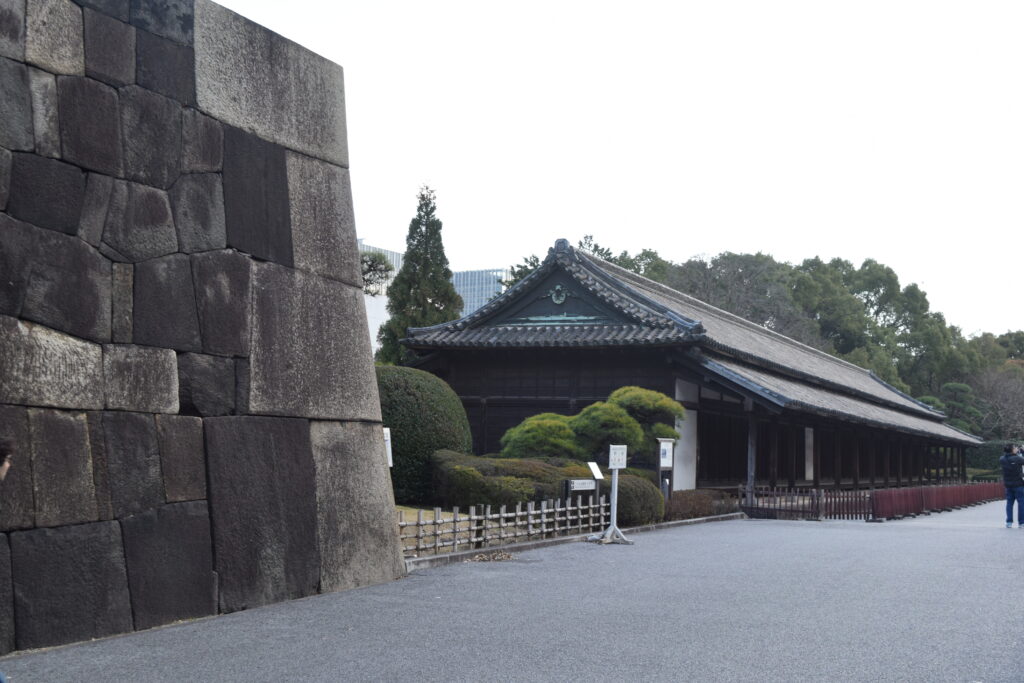


There were many beautiful structures within the compound.

In the evening, we first headed over to Harajuku’s Takeshita Street for some shopping.


Then we headed over to Shibuya to try out Shibuya’s scrambler.

The place was also crowded with people.
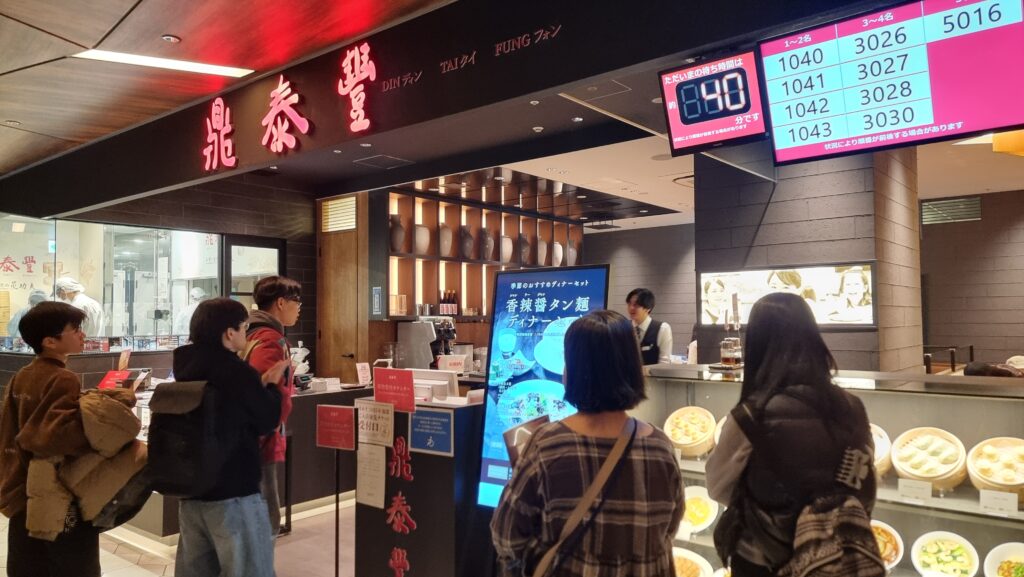
For dinner, we decided to try out the Din Tai Fung in Japan. It is also very popular here, and we had to wait for our number to be called.

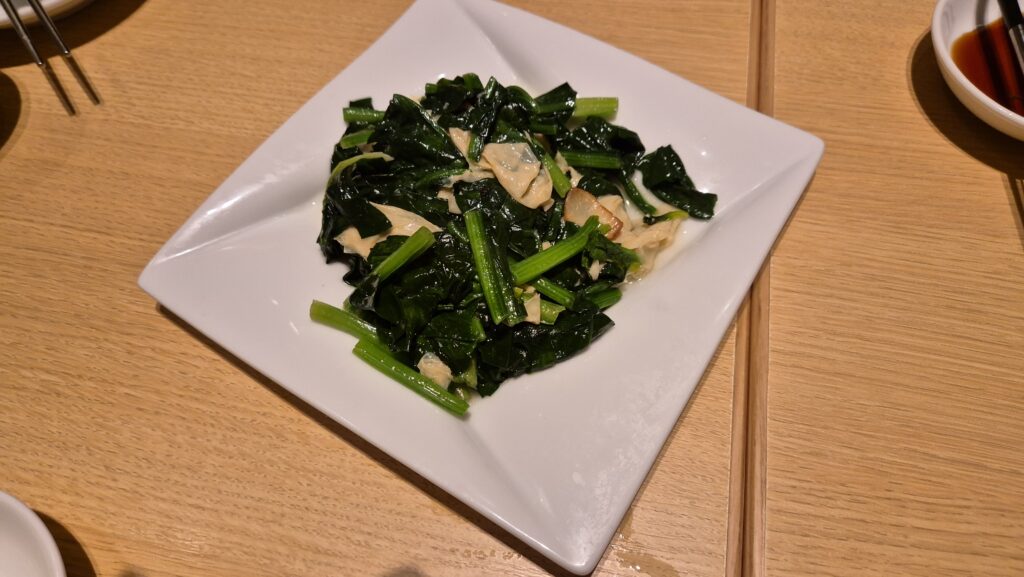


The taste of the food here was as good as the original store in Taiwan.
After dinner, we returned to the hotel for some onsen and then called it a night as we needed to wake up early to ride the Shinkansen to Kyoto the next morning.